Introduction

Happiness is something almost everyone wants, yet many people spend years searching for it in the wrong places. Some believe happiness comes from money, success, possessions, or recognition. While these things can certainly bring temporary satisfaction, research and real-life experiences consistently show that lasting happiness often comes from within.
The way we think about ourselves, our circumstances, and the world around us plays a significant role in determining how happy we feel. Two people can experience the exact same situation and react completely differently based on their mindset.
The good news is that mindset is not fixed. It can be developed, improved, and transformed over time. Small shifts in perspective can lead to profound improvements in emotional well-being, relationships, productivity, and overall life satisfaction.
In this article, you’ll discover five powerful mindset shifts that can improve your happiness and help you create a more fulfilling life. These shifts are practical, easy to understand, and applicable to people from all walks of life.
Why Mindset Matters for Happiness
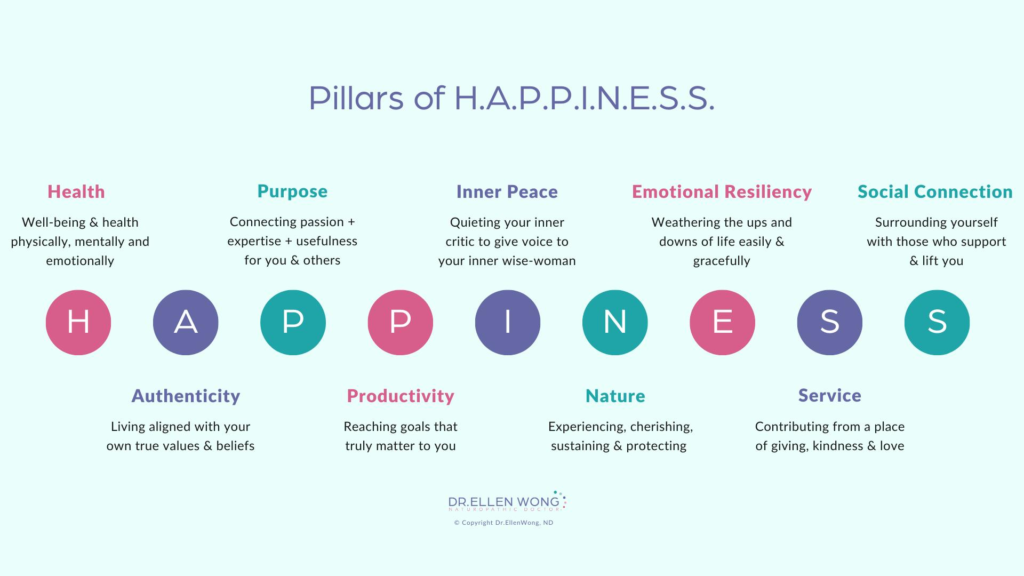
Before diving into the five mindset shifts, it’s important to understand why mindset matters so much.
Your mindset acts as a filter through which you experience life. It influences:
- How you respond to challenges
- How you view failures
- How you handle stress
- How you build relationships
- How confident you feel
- How much gratitude you experience
Many people spend years trying to change their external circumstances while ignoring the internal beliefs that shape their experiences. Yet often, changing the way you think can have a greater impact on happiness than changing your surroundings.
Imagine wearing a pair of tinted glasses. The color of those glasses affects everything you see. Similarly, your mindset affects how you interpret every experience in your life.
The following five mindset shifts can help you replace limiting perspectives with healthier and more empowering ones.
1. Shift from Seeking Perfection to Embracing Progress
The Problem with Perfectionism
Many people believe they need to be perfect before they can feel happy, successful, or worthy.
They tell themselves:
- “I’ll be happy when I lose weight.”
- “I’ll be happy when I get promoted.”
- “I’ll be happy when everything is perfect.”
Unfortunately, perfection is an impossible standard.
Perfectionism often leads to:
- Anxiety
- Self-criticism
- Fear of failure
- Procrastination
- Chronic dissatisfaction
When your happiness depends on perfection, happiness always remains out of reach.
The Power of Progress
Instead of aiming for perfection, focus on progress.
Progress means:
- Learning from mistakes
- Celebrating small wins
- Improving little by little
- Accepting imperfections
Every successful person has failed numerous times. What separates them from others is their willingness to keep moving forward.
Practical Ways to Apply This Shift
- Celebrate small achievements daily.
- Keep a progress journal.
- Focus on consistency instead of perfection.
- Treat mistakes as learning opportunities.
When you begin valuing progress over perfection, life becomes less stressful and more rewarding.
2. Shift from Comparison to Self-Growth
The Comparison Trap
One of the biggest obstacles to happiness in today’s digital world is comparison.
Social media makes it easy to compare:
- Your appearance
- Your career
- Your income
- Your relationships
- Your lifestyle
The problem is that people usually compare their real lives to someone else’s highlight reel.
This creates feelings of:
- Insecurity
- Jealousy
- Low self-esteem
- Frustration
Why Comparison Steals Happiness

Comparison shifts your focus away from your own journey.
Instead of appreciating your progress, you become obsessed with what others have.
This mindset can make even successful people feel inadequate.
Focus on Your Own Growth
A healthier approach is to compare yourself only to who you were yesterday.
Ask yourself:
- Am I learning?
- Am I improving?
- Am I becoming a better version of myself?
Growth is personal.
Your path is unique.
Your timeline is unique.
Practical Ways to Apply This Shift
- Limit unnecessary social media scrolling.
- Track your own progress regularly.
- Practice gratitude for your achievements.
- Celebrate other people’s success without comparing.
When you focus on growth rather than comparison, happiness naturally increases.
3. Shift from Controlling Everything to Accepting What You Cannot Change
The Stress of Control
Many people believe they must control everything to feel secure.
They try to control:
- Other people’s opinions
- Future outcomes
- Unexpected events
- External circumstances
The problem is that much of life is outside our control.
Trying to control the uncontrollable often leads to:
- Stress
- Anxiety
- Frustration
- Emotional exhaustion
Understanding the Circle of Control
A useful concept is separating life into two categories:
Things You Can Control
- Your actions
- Your attitude
- Your effort
- Your habits
- Your responses
Things You Cannot Control
- The weather
- Other people’s choices
- The past
- Unexpected events
- Economic conditions
Happiness improves when you focus your energy on what you can influence.
Practical Ways to Apply This Shift
Whenever you’re stressed, ask:
“Is this within my control?”
If the answer is no, practice letting it go.
If the answer is yes, take action.
This simple habit can dramatically reduce unnecessary stress.
4. Shift from Scarcity Thinking to Abundance Thinking
What Is Scarcity Thinking?
Scarcity thinking is the belief that there is never enough.
People with a scarcity mindset often think:
- “There aren’t enough opportunities.”
- “Someone else’s success hurts my chances.”
- “I don’t have enough talent.”
- “I will never have enough.”
This mindset creates fear and negativity.
What Is Abundance Thinking?
Abundance thinking recognizes possibilities and opportunities.
It doesn’t ignore challenges.
Instead, it believes:
- Opportunities can be created.
- Skills can be learned.
- Success is not limited.
- Growth is always possible.
How Abundance Improves Happiness
People with an abundance mindset tend to:
- Feel more optimistic
- Experience less jealousy
- Build stronger relationships
- Take more positive actions
They see life as full of possibilities rather than limitations.
Practical Ways to Apply This Shift
- Focus on opportunities rather than obstacles.
- Celebrate other people’s achievements.
- Learn new skills regularly.
- Replace “I can’t” with “How can I?”
An abundance mindset creates hope, and hope is a powerful contributor to happiness.
5. Shift from Waiting for Happiness to Creating Happiness
The Happiness Myth
Many people believe happiness is something that happens after achieving certain goals.
Examples include:
- Getting a new job
- Buying a house
- Finding a relationship
- Reaching a financial milestone
While these achievements can bring joy, the feeling often fades over time.
Happiness Is a Practice
Research consistently suggests that happiness is influenced by daily habits and perspectives rather than major life events alone.
Happy people don’t necessarily have perfect lives.
They simply practice behaviors that support well-being.
Daily Happiness Habits
Gratitude
Take time each day to appreciate what you already have.
Kindness
Helping others often boosts personal happiness.
Mindfulness
Being present reduces unnecessary worry.
Positive Relationships
Strong social connections contribute significantly to well-being.
Self-Care
Taking care of your physical and emotional health matters.
Practical Ways to Apply This Shift
Ask yourself daily:
“What can I do today to create happiness?”
Small actions repeated consistently can transform your life over time.
Additional Habits That Support a Positive Mindset

While mindset shifts are powerful, combining them with healthy habits can amplify their effects.
Exercise Regularly
Physical activity boosts mood and energy levels.
Prioritize Sleep
Quality sleep supports emotional well-being.
Practice Gratitude
Gratitude helps shift attention toward positive experiences.
Read Personal Development Books
Learning new perspectives can reshape your mindset.
Surround Yourself with Positive People
Your environment influences your thoughts and emotions.
Common Obstacles to Changing Your Mindset

Changing your mindset takes time.
Some common challenges include:
Negative Self-Talk
Become aware of critical inner dialogue and replace it with supportive thoughts.
Fear of Change
Growth often feels uncomfortable at first.
Old Habits
Years of thinking in a certain way cannot be changed overnight.
External Influences
Negative environments can slow progress.
The key is consistency.
Small changes practiced daily eventually become natural.
Frequently Asked Questions
Can mindset really affect happiness?
Yes. Your mindset influences how you interpret events, handle challenges, and respond to life’s ups and downs.
How long does it take to change a mindset?
It varies for each person. Consistent practice over weeks and months often leads to noticeable changes.
What is the most important mindset shift?
Many people find that focusing on progress instead of perfection creates significant improvements in happiness.
Can positive thinking solve every problem?
No. Positive thinking is not about ignoring problems. It is about approaching challenges with a healthier perspective.
Is happiness a choice?
While not every emotion is a choice, many daily habits and thought patterns that influence happiness can be developed intentionally.
Conclusion
Happiness is not a destination that you arrive at someday. It is something you cultivate through your thoughts, habits, and daily actions.
By making these five mindset shifts:
- Choose progress over perfection.
- Focus on growth instead of comparison.
- Accept what you cannot control.
- Adopt an abundance mindset.
- Create happiness rather than waiting for it.
You can build a more positive, resilient, and fulfilling life.
Remember, lasting happiness doesn’t come from having everything you want. It comes from learning to appreciate where you are while continuing to grow into who you want to become.
The journey starts with a single thought—and that thought can begin today.