Introduction
Modern life has made sitting an unavoidable part of our daily routine. Whether you’re working at a desk, attending online classes, driving, watching television, or scrolling through social media, chances are you spend a significant portion of your day sitting.
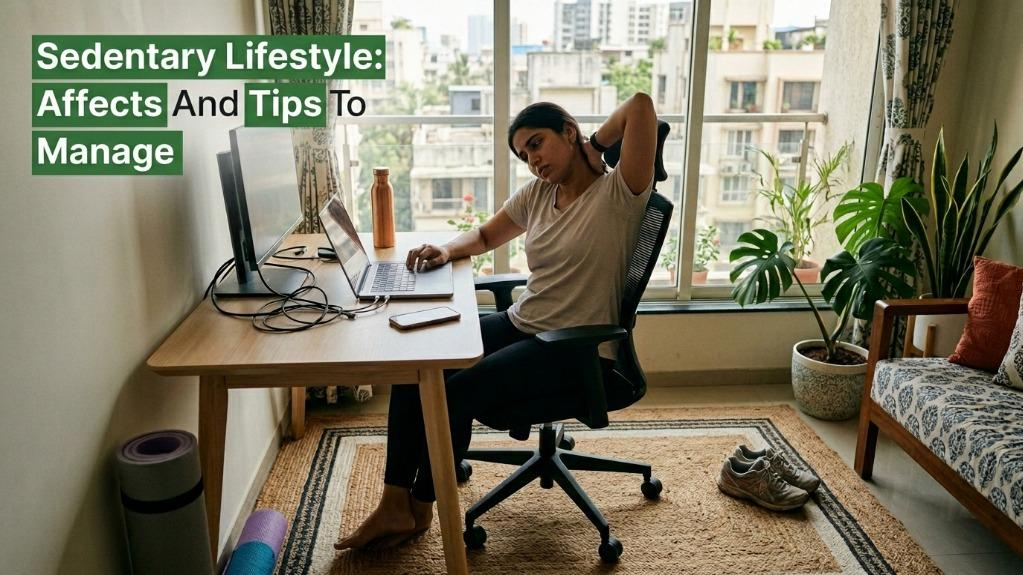
For many people, sitting feels harmless. After all, it’s not as if you’re engaging in a dangerous activity. However, health experts increasingly describe prolonged sitting as one of the most overlooked lifestyle habits affecting physical well-being today.
While most people understand the importance of exercise, fewer realize that regular workouts alone may not fully offset the effects of sitting for long hours every day. Even individuals who exercise regularly can experience negative consequences if they remain sedentary for most of the day.
The reality is that the human body was designed for movement. When movement decreases, several systems throughout the body begin to function less efficiently.
In this comprehensive guide, we’ll explore the hidden effects of sitting too much, understand how it impacts different parts of the body, and learn practical strategies to reduce the risks associated with a sedentary lifestyle.
Why Sitting Has Become So Common
A few generations ago, daily life naturally included more physical movement.
People:
- Walked more often
- Performed physically demanding work
- Spent less time using screens
- Engaged in outdoor activities regularly
Today, technology has changed the way we live.
Many individuals spend:
- 8–10 hours at a desk
- Several hours commuting
- Additional time watching television
- Hours browsing smartphones and tablets
As convenience increases, movement decreases.
Unfortunately, the body still requires regular activity to function optimally.
What Happens to Your Body When You Sit for Long Periods?
When you sit for extended periods, your muscles become less active, circulation slows down, and various bodily processes begin to change.
Initially, these effects may seem minor.
Over months and years, however, they can contribute to significant health challenges.
Let’s examine the hidden consequences.
1. Poor Posture and Back Pain
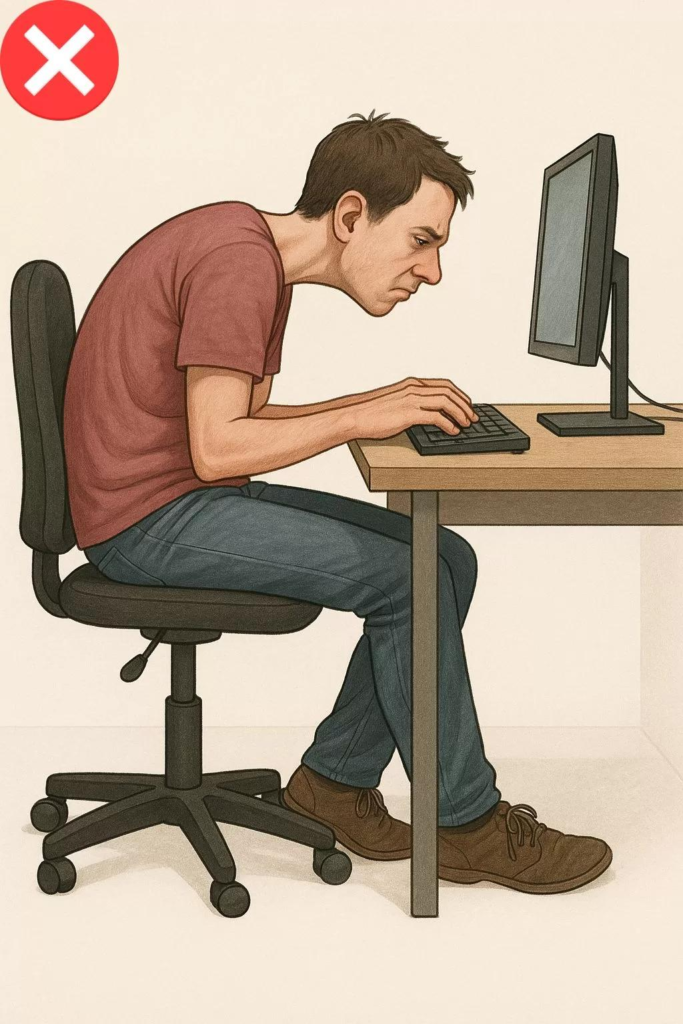
One of the most immediate effects of prolonged sitting is poor posture.
Many people sit with:
- Rounded shoulders
- Forward head position
- Curved spine
- Unsupported lower back
Over time, these positions place stress on the muscles and joints.
Common Symptoms
- Neck stiffness
- Shoulder tension
- Lower back pain
- Reduced flexibility
- Muscle fatigue
Poor posture can also affect breathing efficiency and overall comfort.
Why It Happens
When sitting for long periods, certain muscles become tight while others weaken.
This muscular imbalance contributes to chronic discomfort and postural problems.
2. Reduced Blood Circulation
Movement helps blood flow efficiently throughout the body.
When you remain seated for long periods, circulation slows.
Possible Effects
- Swollen feet
- Leg discomfort
- Numbness
- Tingling sensations
- Cold extremities
Reduced circulation can leave you feeling sluggish and tired throughout the day.
Regular movement helps keep blood flowing effectively and supports overall health.
3. Increased Risk of Weight Gain
Physical activity naturally burns calories.
When movement decreases, calorie expenditure also decreases.
Why Sitting Contributes to Weight Gain
Extended sitting can:
- Reduce daily energy expenditure
- Encourage snacking
- Lower metabolic activity
- Promote inactivity habits
Weight gain does not happen overnight, but prolonged sedentary behavior can gradually contribute to unwanted body fat accumulation.
4. Slower Metabolism
Your metabolism helps convert food into usable energy.
When muscles remain inactive for long periods, metabolic activity may decrease.
Effects of a Slower Metabolism
- Reduced calorie burning
- Lower energy levels
- Difficulty maintaining a healthy weight
- Reduced physical performance
Regular movement helps keep metabolic processes functioning efficiently.
5. Muscle Weakness and Loss of Strength
The body follows a simple principle:
Use it or lose it.
When muscles are not used regularly, they gradually weaken.
Muscles Commonly Affected
Glute Muscles
Prolonged sitting can reduce activation of the gluteal muscles.
Core Muscles
Weak core muscles may contribute to poor posture and back pain.
Leg Muscles
Extended inactivity can reduce strength and endurance.
Long-Term Consequences
- Reduced stability
- Increased injury risk
- Poor balance
- Lower physical performance
Maintaining muscle strength requires consistent movement.
6. Increased Fatigue and Lower Energy
Many people assume sitting conserves energy.
Ironically, excessive sitting often has the opposite effect.
Why It Happens
Reduced movement can lead to:
- Slower circulation
- Reduced oxygen delivery
- Muscle stiffness
- Mental fatigue
As a result, you may feel tired even after spending most of the day seated.
Regular physical activity often improves energy levels rather than draining them.
7. Joint Stiffness and Reduced Mobility
Joints are designed to move.
When movement decreases, joints may become stiff.
Areas Most Commonly Affected
- Hips
- Knees
- Neck
- Shoulders
- Lower back
Many people notice stiffness when standing after sitting for extended periods.
Without regular movement, flexibility and mobility may gradually decline.
8. Negative Effects on Heart Health
The cardiovascular system benefits from regular physical activity.
When activity levels decrease significantly, heart health may be affected over time.
Potential Issues
- Reduced cardiovascular fitness
- Lower endurance
- Less efficient circulation
Even small amounts of regular movement can support heart health and overall wellness.
9. Digestive Discomfort
Physical movement helps support healthy digestion.
Sitting immediately after meals for extended periods may contribute to digestive discomfort in some individuals.
Common Complaints
- Bloating
- Sluggish digestion
- Feeling overly full
Walking after meals may help support normal digestive processes.
10. Increased Stress and Mental Fatigue
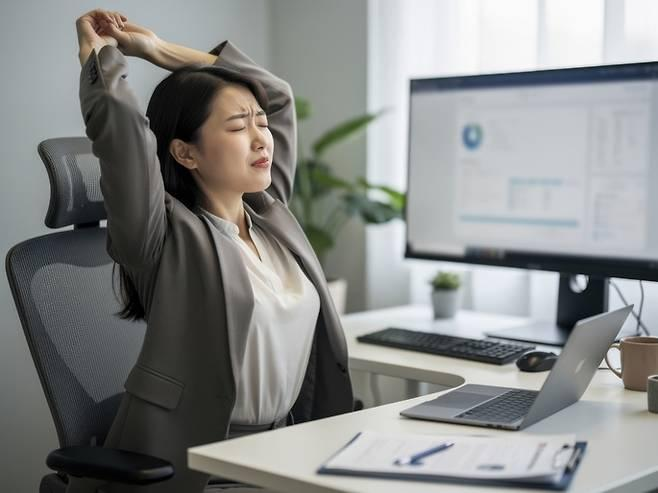
The effects of sitting are not limited to the body.
Mental well-being can also be affected.
Why?
Movement stimulates:
- Blood flow to the brain
- Mental alertness
- Mood-supporting chemicals
Long periods of inactivity may contribute to:
- Mental fatigue
- Reduced concentration
- Lower productivity
- Increased stress
Many people notice improved focus after taking a short walk or stretching break.
11. Eye Strain and Digital Fatigue
Prolonged sitting often accompanies extended screen time.
This combination can create additional problems.
Symptoms
- Dry eyes
- Blurred vision
- Headaches
- Eye fatigue
The longer we sit in front of screens, the greater the likelihood of experiencing digital eye strain.
12. Poor Flexibility
When muscles remain in the same position for hours, flexibility gradually decreases.
Areas Commonly Tightened
- Hip flexors
- Hamstrings
- Chest muscles
- Neck muscles
Reduced flexibility can limit movement quality and increase discomfort.
Signs You May Be Sitting Too Much
You may be spending excessive time sitting if you frequently experience:
- Neck pain
- Back pain
- Tight hips
- Low energy
- Poor posture
- Stiff joints
- Reduced fitness
- Difficulty concentrating
- Frequent fatigue
Recognizing these signs early allows you to make positive changes before problems become more serious.
How Much Sitting Is Too Much?
There is no universal number that applies to everyone.
However, many adults spend between 8 and 12 hours sitting daily.
The concern increases when:
- Sitting is uninterrupted
- Physical activity is minimal
- Movement breaks are infrequent
The key is not necessarily eliminating sitting but reducing prolonged, uninterrupted periods.
Simple Ways to Reduce Sitting Time
1. Stand Up Every 30–60 Minutes
Set reminders to stand, stretch, or walk briefly.
2. Take Walking Breaks

Even a few minutes of walking can help reactivate muscles and circulation.
3. Use the Stairs
Choose stairs whenever possible.
4. Walk During Phone Calls
Turn conversations into movement opportunities.
5. Stretch Regularly
Simple stretches can improve flexibility and reduce stiffness.
6. Create an Active Workspace
Consider:
- Standing desks
- Adjustable workstations
- Walking meetings
7. Exercise Consistently
Regular workouts complement daily movement habits.
Best Exercises for People Who Sit All Day

Walking
Simple and accessible for nearly everyone.
Stretching
Improves flexibility and posture.
Strength Training
Supports muscle health and posture.
Yoga
Enhances mobility, flexibility, and relaxation.
Core Exercises
Help stabilize the spine and improve posture.
Building a More Active Lifestyle
Improving health doesn’t require extreme changes.

Start with small habits:
- Walk for 10 minutes daily
- Stretch every morning
- Take movement breaks during work
- Park farther away
- Use stairs more often
Small actions performed consistently create meaningful long-term results.
Frequently Asked Questions
Is sitting really that harmful?
Occasional sitting is normal. Problems arise when sitting becomes prolonged and movement becomes limited.
Can exercise cancel out sitting all day?
Regular exercise helps significantly, but reducing long periods of uninterrupted sitting is also important.
How often should I stand up?
Many experts recommend standing or moving every 30–60 minutes.
What is the easiest way to reduce sitting time?
Taking short walking breaks throughout the day is one of the simplest and most effective strategies.
Does standing all day solve the problem?
Not necessarily. The goal is balanced movement throughout the day rather than replacing excessive sitting with excessive standing.
Conclusion
Sitting may seem harmless, but its effects on the body can accumulate over time. Poor posture, reduced circulation, muscle weakness, lower energy levels, joint stiffness, and other physical challenges can gradually develop when movement becomes limited.
The good news is that you don’t need dramatic lifestyle changes to protect your health. Small actions such as standing more often, walking regularly, stretching throughout the day, and incorporating exercise into your routine can make a significant difference.
Your body was designed to move. Every step you take supports stronger muscles, better circulation, improved energy, and overall well-being.
The next time you find yourself sitting for hours, remember that even a few minutes of movement can help your body function at its best.