
Introduction
Have you ever slept for seven, eight, or even nine hours and still woken up feeling exhausted?
You’re not alone.

Many people assume that simply spending enough hours in bed guarantees energy and recovery. However, sleep quantity and sleep quality are not the same thing. While getting enough sleep is important, many hidden factors can leave you feeling tired, sluggish, and unmotivated even after what appears to be a full night’s rest.
Morning fatigue can affect your productivity, mood, concentration, physical performance, and overall quality of life. It can make simple tasks feel difficult and leave you searching for caffeine just to get through the day.
The good news is that understanding the reasons behind your fatigue is the first step toward fixing it.
In this comprehensive guide, we’ll explore the most common reasons your body feels tired even after sleeping and what you can do to improve your energy naturally.
Understanding the Difference Between Sleep and Rest
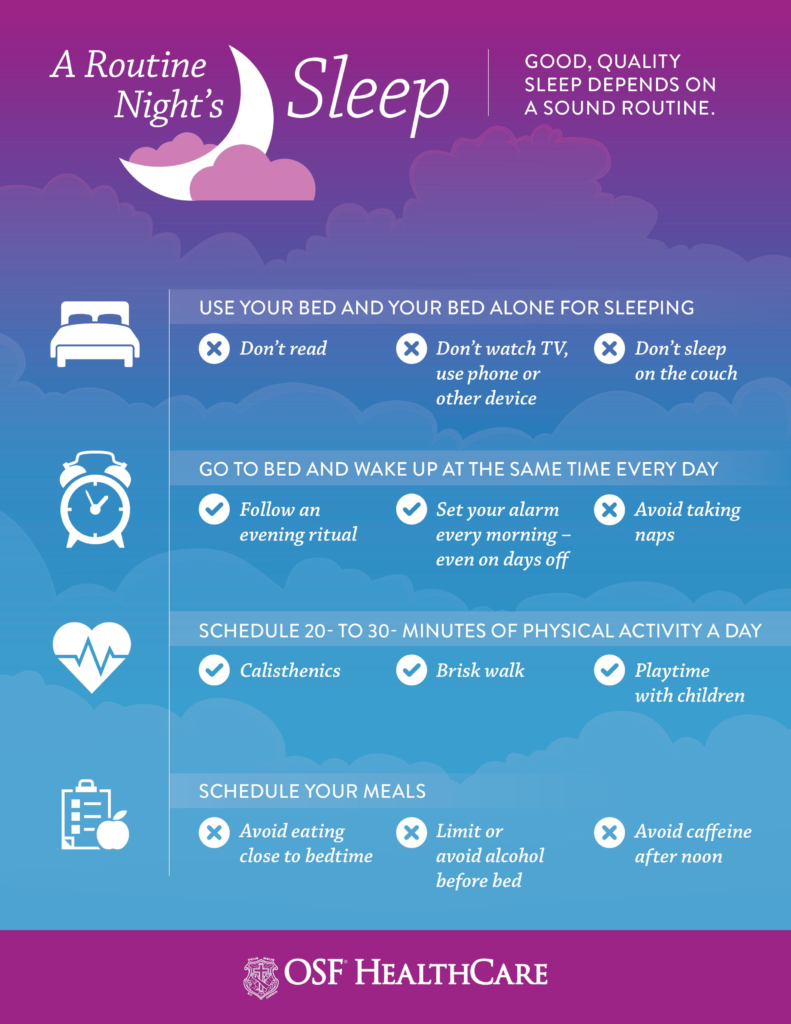
Many people believe sleep automatically equals rest.
In reality, true recovery depends on several factors, including:
- Sleep quality
- Sleep consistency
- Physical health
- Mental well-being
- Nutrition
- Hydration
- Lifestyle habits
You may spend eight hours in bed, but if your body isn’t experiencing restorative sleep, you can still wake up exhausted.
Think of sleep as charging your phone.
If the charger is damaged, the phone may remain plugged in all night but still wake up with a low battery.
Your body works in a similar way.
1. Poor Sleep Quality
One of the most common reasons for waking up tired is poor sleep quality.
You may technically sleep for enough hours, but frequent interruptions can prevent your body from reaching deep restorative sleep stages.
Signs of Poor Sleep Quality
- Waking up multiple times
- Restless sleep
- Frequent tossing and turning
- Feeling unrefreshed in the morning
- Difficulty concentrating during the day
How to Improve Sleep Quality
- Maintain a consistent bedtime
- Keep your bedroom cool and dark
- Reduce noise disruptions
- Avoid screens before bed
2. Inconsistent Sleep Schedule
Your body follows a natural internal clock known as the circadian rhythm.
When you sleep and wake at different times every day, this rhythm becomes disrupted.
Common Causes
- Staying up late on weekends
- Irregular work schedules
- Frequent late-night screen use
Effects
- Morning grogginess
- Reduced alertness
- Lower energy levels
Consistency is often more important than people realize.
Going to bed and waking up at roughly the same time every day helps your body regulate energy more effectively.
3. Dehydration
Many people overlook hydration when thinking about energy.
Your body loses water throughout the night through breathing and perspiration.
Even mild dehydration can contribute to:
- Fatigue
- Headaches
- Brain fog
- Reduced concentration
Signs of Dehydration
- Dry mouth
- Dark urine
- Dizziness
- Low energy
Solution
Start your day with a large glass of water before reaching for coffee.
4. Poor Nutrition
Your body relies on nutrients to produce energy.
If your diet lacks essential nutrients, fatigue may occur regardless of how much sleep you get.
Common Dietary Factors
- Skipping meals
- Excess sugar consumption
- Highly processed foods
- Insufficient protein intake
- Low fruit and vegetable intake
Energy-Supporting Foods
- Eggs
- Oats
- Fruits
- Vegetables
- Nuts
- Lean protein sources
Good nutrition provides the fuel your body needs to function efficiently.
5. Lack of Physical Activity
It may seem counterintuitive, but inactivity often increases fatigue.
Many people spend hours sitting:
- At work
- In class
- During commutes
- While watching screens
Why Movement Matters
Physical activity helps:
- Improve circulation
- Boost energy production
- Support better sleep
- Enhance mood
Even a daily walk can significantly improve energy levels.
6. Excessive Stress
Stress affects both the body and mind.
When stress levels remain elevated for long periods, your body stays in a heightened state of alertness.
Common Symptoms
- Difficulty relaxing
- Mental exhaustion
- Irritability
- Poor sleep quality
Even if you sleep for eight hours, chronic stress can leave you feeling drained.
Stress Management Strategies
- Meditation
- Deep breathing
- Journaling
- Exercise
- Spending time outdoors
7. Too Much Screen Time Before Bed
Phones, tablets, and computers have become part of daily life.
However, excessive screen exposure before bedtime can interfere with healthy sleep patterns.
Why?
Blue light may affect your body’s natural sleep signals.
Common Effects
- Difficulty falling asleep
- Reduced sleep quality
- Morning fatigue
Better Alternatives
- Reading a book
- Gentle stretching
- Relaxation techniques
Creating a screen-free bedtime routine can improve sleep quality significantly.
8. Poor Sleep Environment
Your bedroom environment has a major impact on sleep quality.
Factors That Affect Sleep
Temperature
A room that’s too hot or too cold can disrupt sleep.
Noise
Even low levels of noise may interrupt restorative sleep.
Light Exposure
Bright light can interfere with your body’s sleep signals.
Creating a Better Sleep Space
- Use blackout curtains
- Reduce noise
- Keep the room cool
- Invest in a comfortable mattress and pillow
9. Mental Exhaustion
Physical tiredness and mental tiredness are different.
You may feel physically rested but mentally drained.
Causes
- Information overload
- Constant multitasking
- Work pressure
- Academic stress
Symptoms
- Difficulty focusing
- Brain fog
- Lack of motivation
- Reduced productivity
Mental recovery requires intentional breaks and relaxation.
10. Caffeine Dependence
Many people rely heavily on caffeine to stay awake.
While caffeine can temporarily increase alertness, excessive consumption may create a cycle of fatigue.
Potential Problems
- Sleep disruption
- Reduced sleep quality
- Energy crashes
Healthy Approach
Consume caffeine in moderation and avoid it late in the day.
11. Sleeping Too Much
Surprisingly, sleeping excessively can also contribute to fatigue.
Why?
Spending too much time in bed may disrupt your body’s natural sleep-wake rhythm.
Many adults function best with approximately 7–9 hours of sleep per night.
More sleep isn’t always better.
Quality remains the most important factor.
12. Your Body Needs Better Recovery

Sleep is only one part of recovery.
Your body also needs:
- Proper nutrition
- Hydration
- Physical activity
- Stress management
- Mental relaxation
When one or more of these areas are neglected, fatigue can persist despite adequate sleep.
Signs That Your Fatigue May Be Lifestyle-Related
You may benefit from lifestyle changes if you experience:
- Low morning energy
- Afternoon crashes
- Difficulty concentrating
- Frequent yawning
- Reduced motivation
- Physical sluggishness
Small improvements in daily habits often produce noticeable results.
Daily Habits That Help You Wake Up Energized
1. Get Morning Sunlight

Natural light helps regulate your body clock.
Spend 10–15 minutes outdoors after waking up.
2. Drink Water First Thing in the Morning

Hydration supports circulation and energy production.
3. Move Your Body
Simple activities such as:
- Walking
- Stretching
- Yoga
can help increase alertness.
4. Eat a Balanced Breakfast

Choose foods that combine:
- Protein
- Healthy fats
- Complex carbohydrates
This provides sustained energy throughout the morning.
5. Create a Consistent Sleep Schedule
Going to bed and waking up at the same time every day supports better sleep quality.
The Connection Between Sleep and Energy
Energy isn’t determined solely by the number of hours you sleep.
It depends on a combination of factors including:
- Sleep quality
- Nutrition
- Hydration
- Movement
- Stress levels
- Recovery habits
When these elements work together, your body is better equipped to produce and maintain energy throughout the day.
Frequently Asked Questions
Why do I feel tired after 8 hours of sleep?
Poor sleep quality, dehydration, stress, inactivity, or poor nutrition may contribute to fatigue even after sufficient sleep.
Can dehydration cause morning fatigue?
Yes. Even mild dehydration can reduce energy and mental clarity.
Does exercise help with tiredness?
Regular physical activity often improves energy levels and supports better sleep.
Why do I wake up feeling exhausted every day?
Several lifestyle factors may contribute, including inconsistent sleep schedules, stress, poor sleep quality, and lack of recovery.
Is it normal to feel tired sometimes?
Occasional tiredness is common. Persistent or severe fatigue should be discussed with a qualified healthcare professional.
Conclusion
Feeling tired even after sleeping can be frustrating, especially when you’re doing your best to get enough rest. However, fatigue is often influenced by much more than the number of hours spent in bed.
Poor sleep quality, dehydration, stress, inactivity, excessive screen time, poor nutrition, and inconsistent routines can all contribute to low energy levels.
The good news is that many of these factors can be improved through simple lifestyle changes. By focusing on better sleep habits, hydration, movement, nutrition, and stress management, you can help your body recover more effectively and wake up feeling refreshed.
Remember, lasting energy isn’t created by one perfect night’s sleep. It’s built through consistent daily habits that support your overall health and well-being.