Success is not achieved by luck alone. Behind every successful person are certain principles, habits, and ways of thinking that guide their actions. While life can sometimes seem unpredictable, there are powerful laws that can help us make better decisions, improve our productivity, and achieve our goals more effectively. These laws are not magical formulas but practical principles that have been observed in business, psychology, personal development, and everyday life.
Many people struggle because they focus on the wrong things, fail to prepare for challenges, or expect immediate results. Understanding and applying the right principles can help us avoid these mistakes and create lasting positive changes. The five laws discussed in this article—the Pareto Principle, the Law of Familiarity, Murphy’s Law, the Law of Compounding, and Wilson’s Law—offer valuable lessons that can improve both personal and professional life.
Whether you are a student preparing for exams, a professional working toward career growth, or someone seeking personal improvement, these laws can provide practical guidance. By applying them consistently, you can increase your productivity, strengthen relationships, develop better habits, and build a more successful future.
Pareto Principle (80/20 Rule)
What is the Pareto Principle?
The Pareto Principle, also known as the 80/20 Rule, states that approximately 80% of results come from 20% of efforts. This concept was introduced by Italian economist Vilfredo Pareto when he observed that 80% of Italy’s land was owned by 20% of the population. Over time, this principle was found to apply to many areas of life and business.
How Does It Work?
The principle suggests that a small number of actions are responsible for the majority of outcomes. For example, a student may discover that only a few important topics account for most of the questions in an exam. Similarly, a business may find that a small percentage of customers generate most of its revenue.

Example:
- 20% of your study topics may contribute to 80% of your exam score.
- 20% of customers may generate 80% of sales revenue.
- 20% of employees may contribute to 80% of a company’s results.
- 20% of daily tasks may produce 80% of your productivity.

Benefits
- Better time management
- Increased productivity
- Improved decision-making
- Greater focus on high-value activities

How to Apply It
Start by identifying the activities that produce the most significant results. Focus your energy on these high-impact tasks and reduce time spent on less important activities. Regularly review your priorities and eliminate distractions that do not contribute to your goals.
Key Takeaway
Success often comes from focusing on the few things that matter most rather than trying to do everything equally.
Law of Familiarity
What is the Law of Familiarity?
The Law of Familiarity states that people tend to trust, prefer, and feel comfortable with things they encounter repeatedly. The more familiar something becomes, the more likely people are to accept and appreciate it.
Why Familiarity Matters
Humans naturally seek comfort and security. Familiar situations, people, and experiences reduce uncertainty and create trust. This principle plays a major role in marketing, relationships, education, and personal branding.

Real-Life Examples
- People are more likely to purchase products from brands they recognize.
- Students become more confident when they repeatedly practice a skill.
- Friendships strengthen through regular interaction.
- Professionals build stronger networks through consistent communication.

Benefits
- Builds trust and credibility
- Strengthens relationships
- Improves confidence
- Enhances communication skills
How to Apply It
Be consistent in your actions. Whether you’re building a personal brand, learning a new skill, or developing relationships, regular effort creates familiarity and trust over time.
Key Takeaway
Consistency is often more powerful than intensity. Showing up regularly creates trust and long-term success.
3. Murphy’s Law
What is Murphy’s Law?
Murphy’s Law states that “Anything that can go wrong will go wrong.” While this statement may sound negative, its true purpose is to encourage preparation and planning.
Understanding the Importance of Preparation
Life is unpredictable. Unexpected events can occur at any time, and being prepared helps reduce their impact. Murphy’s Law reminds us to anticipate potential problems before they happen.

Real-Life Examples
- Saving backup copies of important documents.
- Arriving early for interviews to avoid traffic delays.
- Keeping emergency funds for unexpected expenses.
- Preparing alternative plans for important projects.
Benefits of Planning Ahead
- Reduced stress
- Better problem-solving abilities
- Improved confidence
- Greater resilience during difficult situations

How to Apply It
Always consider possible risks and prepare backup plans. While you cannot prevent every problem, you can minimize their impact through preparation.
Key Takeaway
Preparation transforms challenges into manageable situations and increases your chances of success.
4. The Law of Compounding
What is the Law of Compounding?
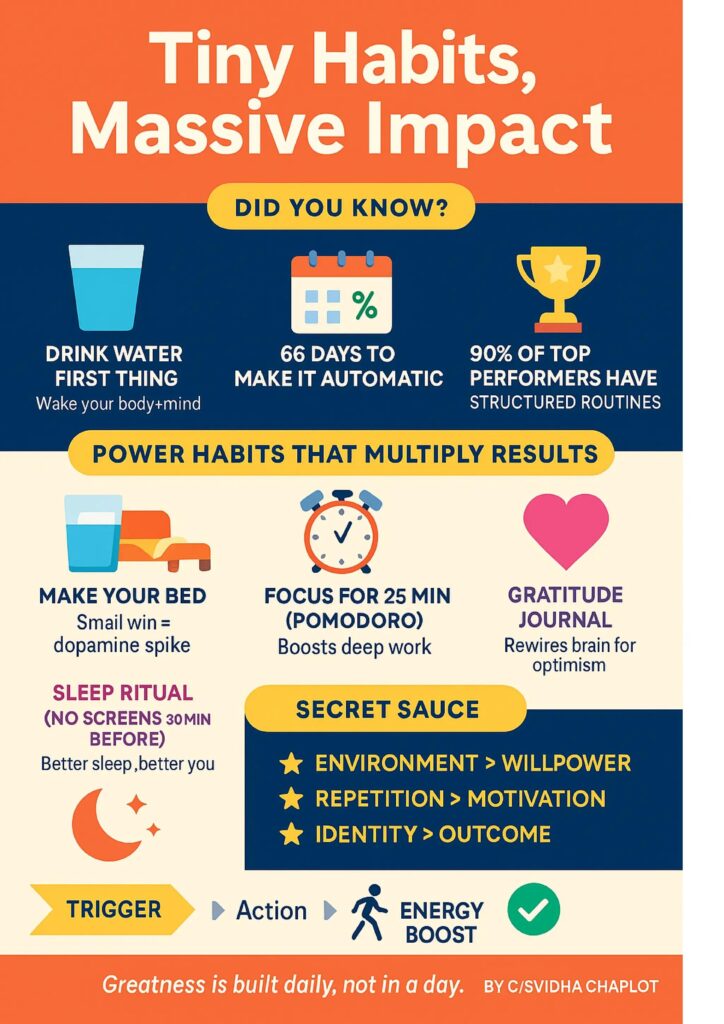
The Law of Compounding explains how small actions performed consistently can produce extraordinary results over time. Although progress may seem slow initially, the effects accumulate and become significant in the long run.
Why Small Actions Matter
Many people underestimate the power of daily habits because results are not immediately visible. However, consistent effort eventually creates substantial growth.

Real-Life Examples
Education
Reading 10 pages daily can result in thousands of pages read within a year.
Fitness
Exercising for just 30 minutes each day can significantly improve health over time.
Financial Growth
Small savings invested regularly can grow substantially through compound interest.
Career Development
Learning a new skill for one hour each day can lead to expertise over several years.
Benefits
- Sustainable growth
- Improved discipline
- Long-term success
- Greater confidence
How to Build Compound Growth
- Set small daily goals.
- Focus on consistency rather than perfection.
- Track progress regularly.
- Stay patient during slow growth periods.
Key Takeaway
Small actions repeated consistently can create life-changing results over time.
5. Wilson’s Law
What is Wilson’s Law?
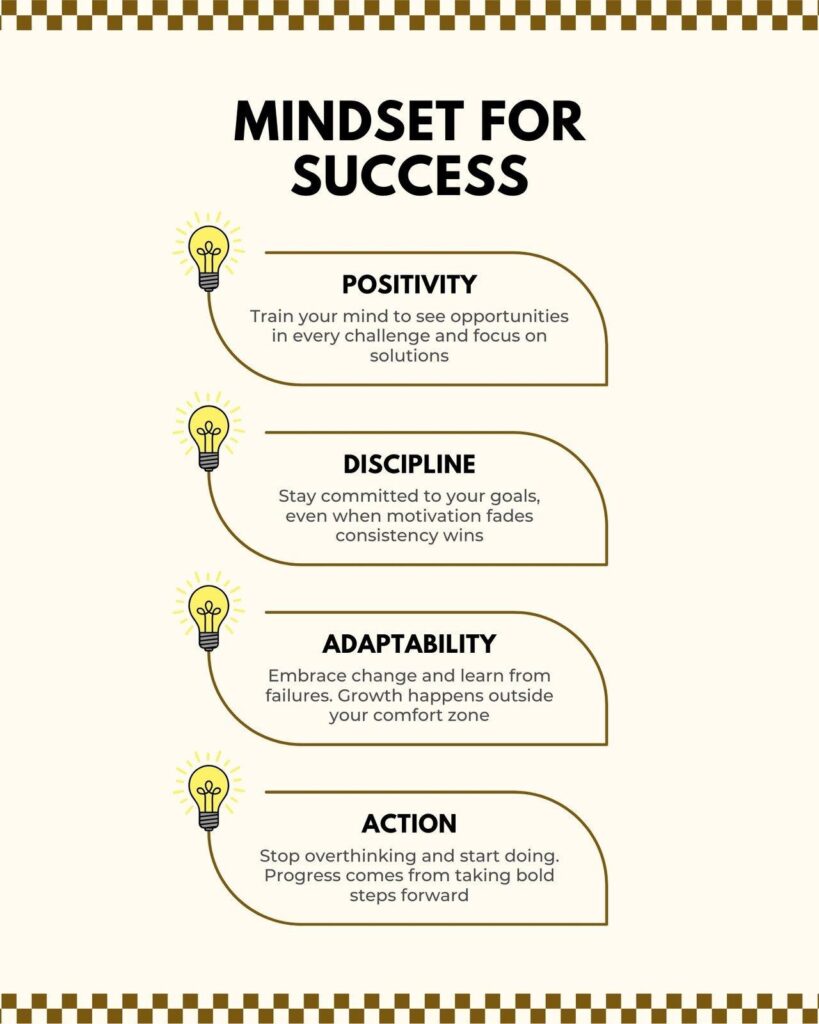
Wilson’s Law emphasizes the connection between mindset and success. It suggests that the quality of your thoughts significantly influences the quality of your actions and outcomes.
The Power of Mindset
People who focus on opportunities, learning, and growth tend to achieve more than those who focus only on limitations and problems. A positive mindset encourages persistence and resilience.
Real-Life Examples
- A student who believes they can improve is more likely to study consistently.
- An entrepreneur who sees challenges as learning opportunities is more likely to succeed.
- Professionals with growth mindsets continuously develop new skills.
Benefits
- Increased motivation
- Better problem-solving skills
- Greater confidence
- Enhanced resilience

How to Apply It Daily
- Practice gratitude.
- Focus on solutions instead of problems.
- Read personal development books.
- Surround yourself with positive influences.
- Continue learning and improving.
Key Takeaway
Your mindset shapes your decisions, and your decisions shape your future.
Common Mistakes People Make
Ignoring Priorities
Many people spend too much time on low-value activities instead of focusing on what truly matters.
Being Inconsistent
Success requires regular effort. Inconsistency prevents long-term growth.
Lack of Preparation
Failing to plan for potential problems often creates unnecessary stress and setbacks.
Expecting Immediate Results
Most meaningful achievements require time and patience.
Negative Thinking
A negative mindset can limit opportunities and reduce motivation.
Frequently Asked Questions
Which of these laws is the most important?
All five laws are valuable because they address different aspects of success. Together, they create a strong foundation for personal and professional growth.
Can students benefit from these laws?
Absolutely. Students can use these principles to improve study habits, time management, confidence, and academic performance.
How long does it take to see results?
The answer depends on the law being applied. Some benefits may appear quickly, while others, such as compounding, require months or years of consistent effort.
Are these laws scientifically supported?
Many aspects of these principles are supported by research in economics, psychology, behavioral science, and personal development.
How can I start today?
Choose one law and apply it consistently. Small actions taken today can lead to significant improvements in the future.
Conclusion
Success is rarely the result of a single action. Instead, it is built through consistent habits, smart decisions, preparation, and the right mindset. The Pareto Principle teaches us to focus on what matters most. The Law of Familiarity shows the importance of consistency and trust. Murphy’s Law reminds us to prepare for challenges. The Law of Compounding demonstrates the incredible power of small daily actions. Wilson’s Law highlights how our mindset influences our results.
When combined, these five laws create a powerful framework for personal and professional success. By applying them consistently, you can improve productivity, build stronger relationships, overcome obstacles, and achieve long-term growth. The journey toward success begins with small steps, and these principles can guide you every step of the way.