Introduction
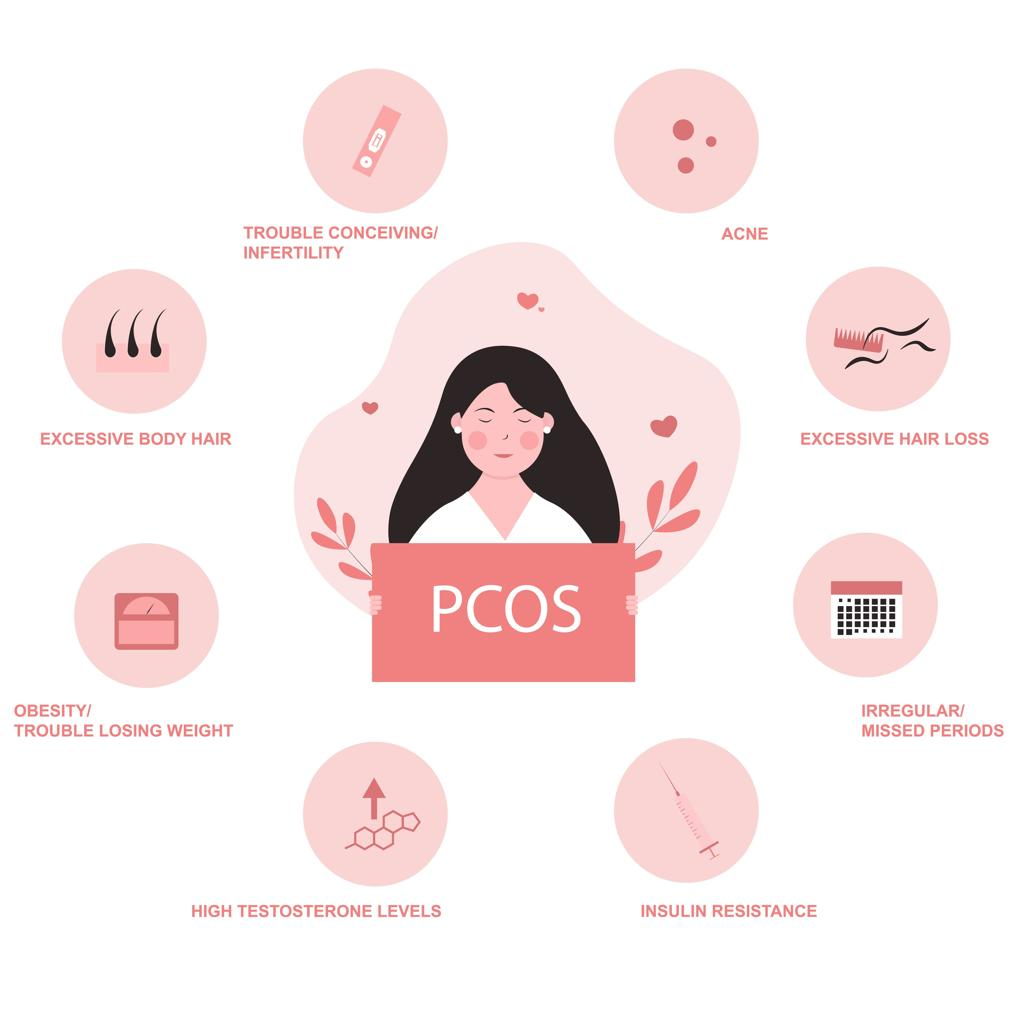
Polycystic Ovary Syndrome (PCOS) is one of the most common hormonal disorders affecting women of reproductive age. According to health experts, millions of women worldwide live with PCOS, but many remain undiagnosed because the early symptoms are often overlooked or mistaken for normal hormonal changes.
PCOS can impact your menstrual cycle, fertility, metabolism, skin health, and overall well-being. The earlier you recognize the warning signs, the better your chances of managing the condition effectively and preventing long-term complications.
In this comprehensive guide, we’ll explore the early symptoms of PCOS you shouldn’t ignore, understand why they occur, and discuss when it’s time to seek medical help.
What is PCOS?
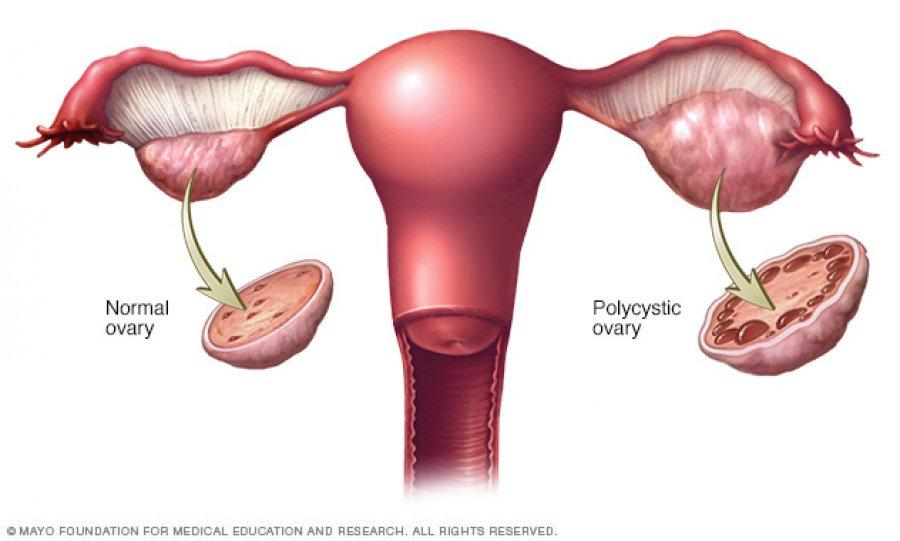
Polycystic Ovary Syndrome (PCOS) is a hormonal disorder that affects the ovaries. Women with PCOS often produce higher-than-normal levels of androgens, commonly known as male hormones. This hormonal imbalance can interfere with ovulation and lead to various physical and emotional symptoms.
Despite its name, not every woman with PCOS develops ovarian cysts. The condition is diagnosed based on a combination of symptoms, hormone levels, and ultrasound findings.
Why Early Detection of PCOS Matters
Ignoring early PCOS symptoms can increase the risk of:
- Infertility
- Type 2 diabetes
- High blood pressure
- Heart disease
- Obesity
- Sleep apnea
- Depression and anxiety
- Endometrial cancer
Recognizing symptoms early allows women to make lifestyle changes, seek treatment, and protect their long-term health.
1. Irregular Menstrual Periods

One of the earliest and most common signs of PCOS is an irregular menstrual cycle.
Symptoms include:
- Missing periods for months
- Fewer than eight periods per year
- Unpredictable menstrual cycles
- Extremely heavy periods
- Very light periods
Women with PCOS often don’t ovulate regularly. Without ovulation, the uterine lining can build up and cause irregular bleeding patterns.
When to be concerned
If your periods are consistently irregular or you frequently skip menstrual cycles, it may be time to consult a healthcare professional.
2. Excessive Hair Growth (Hirsutism)
Unwanted hair growth is another common early symptom of PCOS.
Common areas affected:
- Chin
- Upper lip
- Chest
- Back
- Abdomen
- Neck
This happens because elevated androgen levels stimulate excessive hair growth in areas where women typically have minimal hair.
Why it matters
Around 70% of women with PCOS experience hirsutism. While it may seem like a cosmetic issue, it often indicates an underlying hormonal imbalance.
3. Persistent Acne and Oily Skin
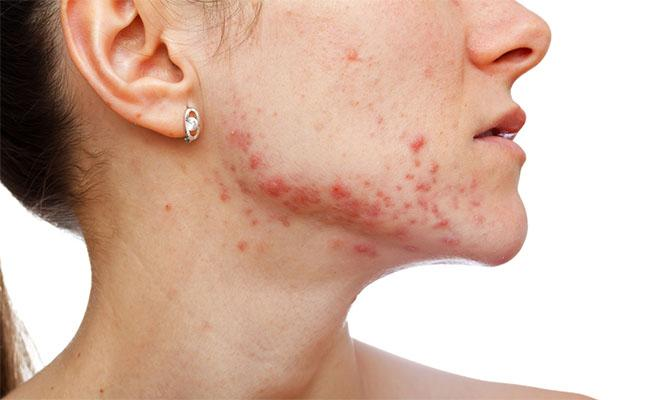
Acne isn’t just a teenage problem. Hormonal acne is often one of the earliest warning signs of PCOS.
Characteristics of PCOS-related acne:
- Deep, painful cystic acne
- Acne around the jawline
- Acne on the chin
- Frequent breakouts despite skincare efforts
- Excessively oily skin
The excess androgen hormones increase oil production, leading to clogged pores and inflammation.
Warning sign
If your acne persists into adulthood or suddenly worsens, it could be linked to hormonal imbalances associated with PCOS.
4. Unexplained Weight Gain
Many women with PCOS struggle with weight gain, especially around the abdomen.
Common signs:
- Rapid weight gain
- Difficulty losing weight
- Increased belly fat
- Weight gain despite healthy eating
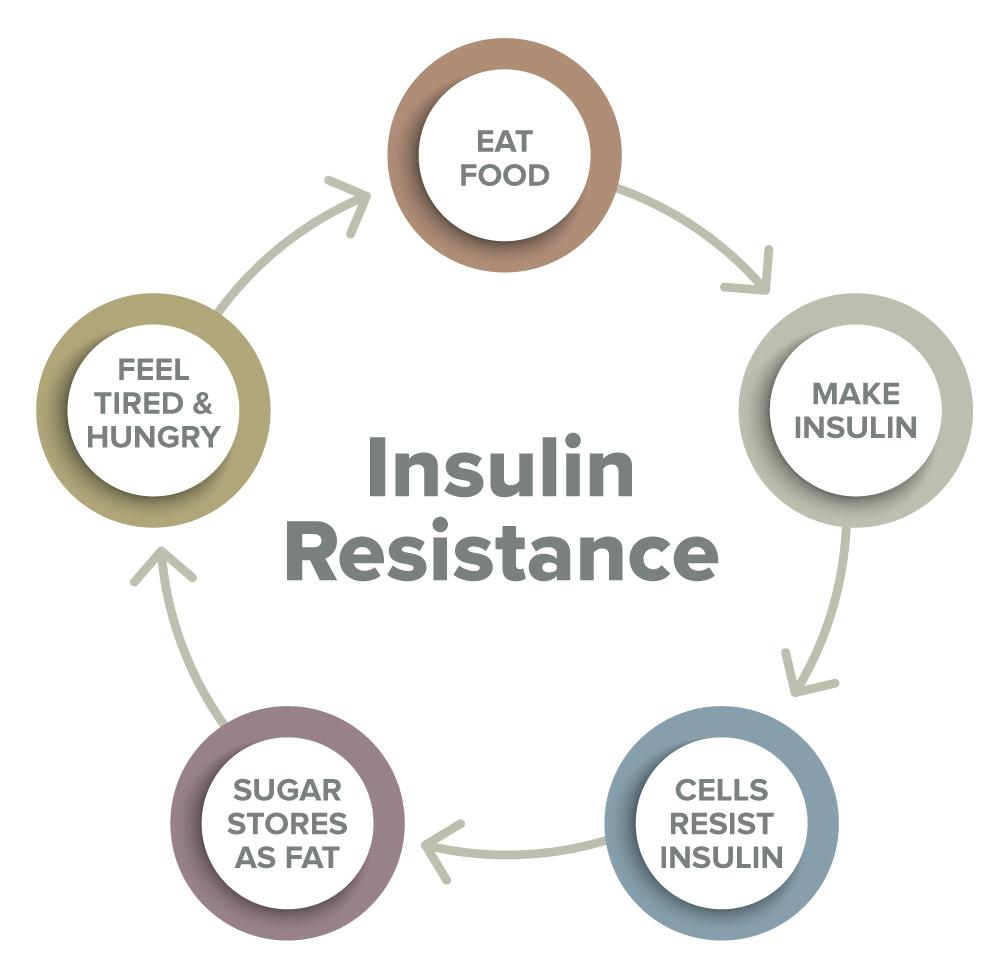
PCOS is often associated with insulin resistance, which makes it harder for the body to process glucose effectively.
Why it happens
When insulin levels remain high, the body stores more fat and increases androgen production, creating a cycle that contributes to further weight gain.
5. Thinning Hair and Hair Loss
While excess hair growth occurs in some areas, hair loss can occur on the scalp.
Symptoms include:
- Hair thinning near the crown
- Widening part line
- Excessive hair shedding
- Reduced hair volume
This type of hair loss is known as female-pattern hair loss and is commonly linked to elevated androgen levels.
Early intervention helps
The sooner treatment begins, the better the chances of preserving healthy hair growth.
6. Dark Patches of Skin
Dark, velvety skin patches can indicate insulin resistance, a common feature of PCOS.
Common locations:
- Neck
- Armpits
- Groin area
- Under the breasts
This condition is known as Acanthosis Nigricans.
Why it occurs
High insulin levels stimulate skin cells, leading to thickened, darkened patches.
Many women mistake these patches for poor hygiene when they are actually a medical sign that shouldn’t be ignored.
7. Difficulty Getting Pregnant

For many women, fertility challenges become the first clue that they may have PCOS.
Signs include:
- Irregular ovulation
- Infrequent ovulation
- Failure to conceive after several months
- Unpredictable fertility patterns
Since ovulation is essential for pregnancy, hormonal imbalances can significantly reduce fertility.
Good news
Many women with PCOS successfully conceive with proper treatment and lifestyle management.
8. Severe Mood Swings
Hormones influence more than physical health—they also affect emotions and mental well-being.
Emotional symptoms may include:
- Mood swings
- Irritability
- Anxiety
- Depression
- Emotional sensitivity
Research suggests that women with PCOS are more likely to experience mental health challenges compared to women without the condition.
Don’t ignore emotional symptoms
Mental health is an important part of overall PCOS management.
9. Chronic Fatigue
Constant tiredness can be an overlooked symptom of PCOS.
Common experiences:
- Feeling exhausted despite adequate sleep
- Low energy levels
- Difficulty concentrating
- Brain fog
Insulin resistance, hormonal imbalances, and sleep disturbances can all contribute to persistent fatigue.
Why it matters
Many women attribute fatigue to stress, but it may actually signal an underlying hormonal disorder.
10. Sugar Cravings and Increased Hunger
Women with PCOS often experience intense cravings for sugary or carbohydrate-rich foods.
Signs include:
- Frequent hunger
- Cravings for sweets
- Energy crashes
- Increased appetite
These symptoms are often linked to insulin resistance, which affects blood sugar regulation.
Potential consequences
Without management, insulin resistance can progress to prediabetes or Type 2 diabetes.
11. Skin Tags
Small skin growths known as skin tags can sometimes appear in women with PCOS.
Common areas:
- Neck
- Armpits
- Eyelids
- Under the breasts
While harmless, they are often associated with insulin resistance and metabolic changes.
Why they’re important
Skin tags can serve as an early clue that your body is experiencing hormonal and metabolic imbalances.
12. Sleep Problems
Sleep disturbances are surprisingly common among women with PCOS.
Symptoms may include:
- Insomnia
- Restless sleep
- Frequent waking
- Excessive daytime sleepiness
Women with PCOS also have a higher risk of sleep apnea, especially if they are overweight.
Health impact
Poor sleep can worsen insulin resistance, mood swings, and weight gain.
13. Pelvic Pain or Discomfort
Some women experience pelvic discomfort related to ovarian enlargement or cyst formation.
Symptoms include:
- Mild pelvic pain
- Pressure in the lower abdomen
- Bloating
- Discomfort during certain activities
While not all women with PCOS experience pain, recurring pelvic discomfort should be evaluated by a healthcare provider.
14. Increased Belly Fat
Even women who are not overweight may notice increased fat accumulation around the waist.
Why this happens
Hormonal imbalances and insulin resistance encourage fat storage in the abdominal area.
Health risks
Excess abdominal fat is associated with:
- Heart disease
- Diabetes
- Metabolic syndrome
Managing PCOS early can help reduce these risks.
15. Brain Fog and Difficulty Concentrating
Many women report mental symptoms long before receiving a PCOS diagnosis.
Common complaints:
- Forgetfulness
- Poor concentration
- Difficulty focusing
- Mental fatigue
These symptoms may be related to hormonal fluctuations, poor sleep quality, and insulin resistance.
Impact on daily life
Brain fog can affect work performance, academic success, and overall productivity.
Causes of PCOS
Although the exact cause remains unclear, several factors contribute to PCOS development.
Genetics
PCOS often runs in families. If your mother or sister has PCOS, your risk may be higher.
Insulin Resistance
Many women with PCOS have insulin resistance, which causes the body to produce more insulin and androgen hormones.
Hormonal Imbalances
Elevated androgen levels interfere with normal ovulation and contribute to many PCOS symptoms.
Inflammation
Low-grade inflammation may stimulate androgen production and worsen symptoms.
When Should You See a Doctor?
Consult a healthcare professional if you experience:
- Missing periods
- Excess facial hair
- Persistent acne
- Hair thinning
- Unexplained weight gain
- Fertility issues
- Severe mood changes
Early diagnosis can help prevent complications and improve quality of life.
How PCOS is Diagnosed
Doctors may use several methods to diagnose PCOS:
Medical History
Review of menstrual patterns and symptoms.
Physical Examination
Assessment of hair growth, weight, acne, and skin changes.
Blood Tests
Hormone testing to evaluate androgen levels and insulin resistance.
Ultrasound
Examination of ovaries for multiple follicles or cyst-like structures.
Lifestyle Changes That Help Manage PCOS

While there is no permanent cure, lifestyle changes can significantly improve symptoms.
Follow a Balanced Diet
Focus on:
- Vegetables
- Fruits
- Whole grains
- Lean proteins
- Healthy fats
Limit:
- Sugary foods
- Processed snacks
- Refined carbohydrates
Exercise Regularly
Aim for at least 30 minutes of activity most days.
Helpful exercises include:
- Walking
- Jogging
- Cycling
- Strength training
- Yoga
Regular exercise improves insulin sensitivity and supports weight management.
Manage Stress
Stress can worsen hormonal imbalances.
Consider:
- Meditation
- Deep breathing
- Yoga
- Journaling
- Spending time in nature
Prioritize Sleep
Good sleep supports hormone regulation and overall health.
Tips include:
- Maintaining a consistent sleep schedule
- Limiting screen time before bed
- Creating a relaxing bedtime routine
Can PCOS Be Prevented?
There is no guaranteed way to prevent PCOS, especially when genetics play a role. However, healthy lifestyle habits can reduce symptom severity and lower the risk of complications.
Key habits include:
- Maintaining a healthy weight
- Eating nutritious foods
- Staying physically active
- Managing stress
- Monitoring menstrual cycles
Frequently Asked Questions About PCOS
Is PCOS Curable?
PCOS cannot currently be cured, but symptoms can be effectively managed through lifestyle changes and medical treatment.
Can Thin Women Have PCOS?
Yes. PCOS affects women of all body types, including those who are lean or underweight.
Does PCOS Always Cause Infertility?
No. Many women with PCOS become pregnant naturally or with fertility assistance.
At What Age Does PCOS Start?
Symptoms often begin during adolescence or early adulthood, but diagnosis may occur much later.
Final Thoughts
PCOS is a complex hormonal condition that can affect many aspects of a woman’s health. Unfortunately, its early symptoms are often dismissed as normal hormonal fluctuations, stress, or lifestyle issues.
Pay attention to warning signs such as irregular periods, excessive hair growth, acne, unexplained weight gain, hair thinning, mood changes, and fatigue. Recognizing these symptoms early can lead to timely diagnosis and better long-term health outcomes.
If you suspect you may have PCOS, don’t ignore the signs. Seeking medical advice early can help you take control of your health, improve your quality of life, and reduce the risk of future complications.
Remember: Early detection and proactive management are the keys to living a healthy and fulfilling life with PCOS.