Introduction
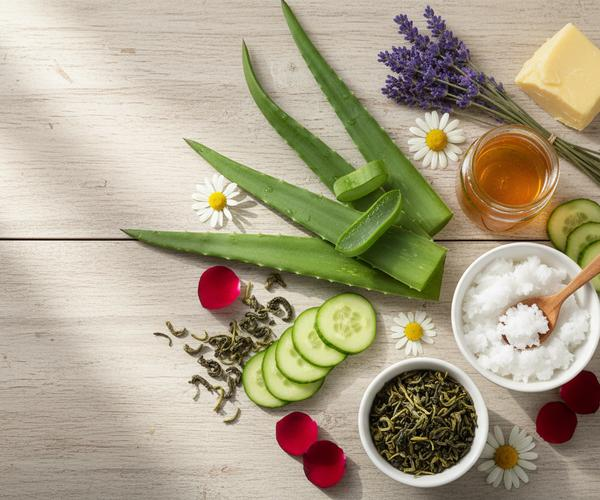
Healthy, glowing skin is often seen as a reflection of overall wellness. While modern skincare products offer countless solutions for every skin concern imaginable, many people are returning to nature in search of safer, gentler, and more sustainable ways to care for their skin.
Natural skincare has gained tremendous popularity over the past decade, and for good reason. Many natural ingredients are packed with vitamins, antioxidants, minerals, and essential fatty acids that can help nourish, protect, and rejuvenate the skin without exposing it to harsh chemicals.

From aloe vera and honey to turmeric and green tea, nature provides a wide range of ingredients that have been used for centuries in traditional beauty practices around the world. These ingredients not only support healthy skin but can also complement a healthy lifestyle that promotes wellness from within.
In this comprehensive guide, we’ll explore the most effective natural ingredients that support healthy skin, their benefits, and how to incorporate them into your skincare routine.
Why Natural Ingredients Matter for Skin Health
Your skin is the largest organ in your body. It acts as a protective barrier against environmental pollutants, harmful UV rays, bacteria, and other external stressors.
Every day, your skin faces challenges such as:
- Pollution
- Sun exposure
- Stress
- Lack of sleep
- Dehydration
- Poor nutrition
Natural ingredients often contain powerful nutrients that help support the skin’s natural functions, including hydration, repair, protection, and renewal.
Benefits of natural skincare ingredients include:
- Gentle nourishment
- Antioxidant protection
- Reduced irritation
- Improved hydration
- Support for healthy aging
- Enhanced skin barrier function
When combined with healthy lifestyle habits, natural ingredients can contribute to long-term skin health and radiance.
Understanding What Healthy Skin Looks Like
Before discussing ingredients, it’s important to understand what healthy skin actually means.
Healthy skin is not necessarily flawless.
Instead, healthy skin is:
- Well hydrated
- Smooth and balanced
- Comfortable and resilient
- Even-toned
- Free from excessive irritation
- Naturally radiant
The goal of skincare should be supporting skin health rather than chasing perfection.
1. Aloe Vera: Nature’s Skin Soother

What Is Aloe Vera?
Aloe vera is a succulent plant known for its cooling and soothing gel.
For centuries, it has been used to support skin hydration and comfort.
Benefits for Skin
Aloe vera may help:
- Hydrate dry skin
- Soothe irritation
- Support skin recovery
- Provide antioxidant benefits
- Improve skin softness
How to Use Aloe Vera
You can:
- Apply pure aloe vera gel directly to the skin
- Use aloe-based moisturizers
- Add aloe vera to homemade face masks
Best For
- Dry skin
- Sensitive skin
- Sun-exposed skin
2. Honey: Nature’s Moisturizer
Why Honey Is Good for Skin
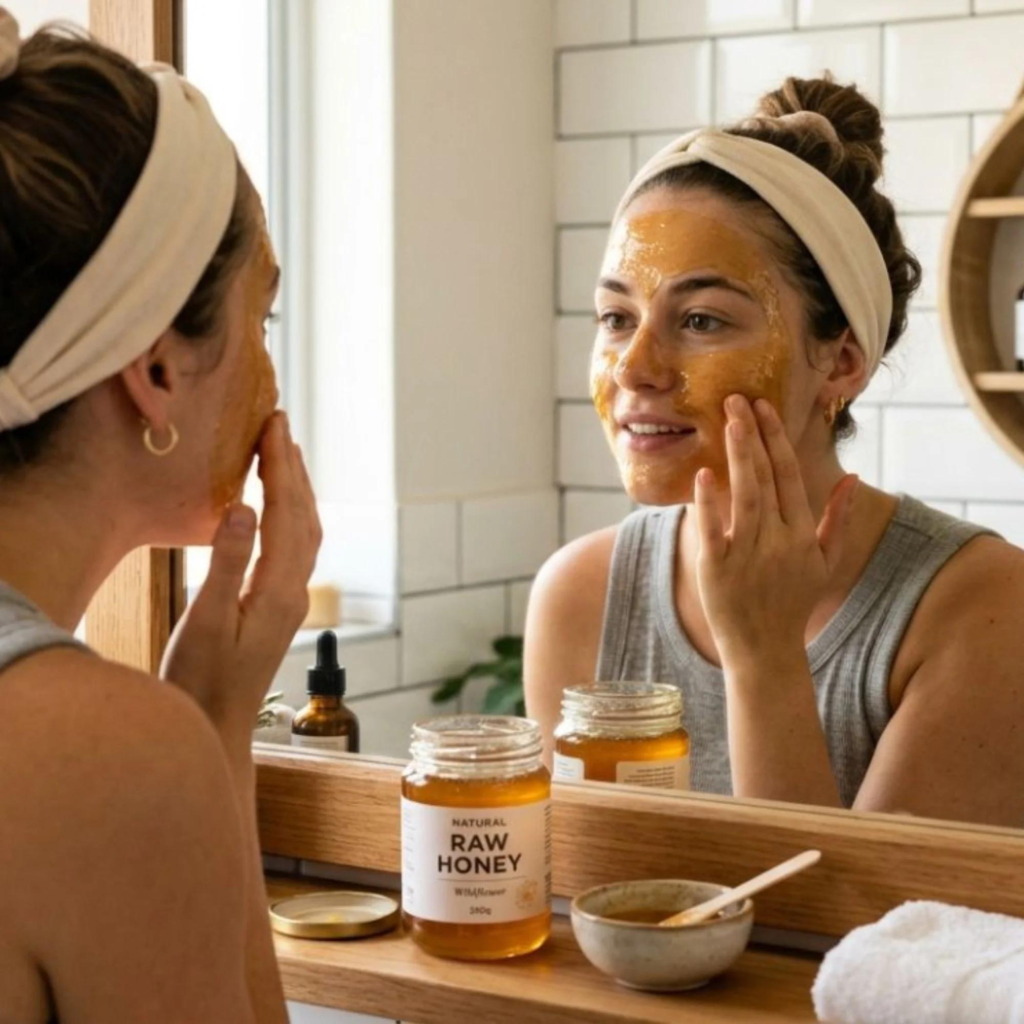
Honey has been used in skincare for thousands of years.
Its natural properties help maintain moisture and support healthy-looking skin.
Benefits of Honey
Honey can help:
- Retain moisture
- Support a smooth complexion
- Provide antioxidant protection
- Promote softer skin
- Enhance skin radiance
How to Use Honey
Try:
- A honey face mask
- Honey and yogurt mask
- Honey-based cleansers
Best For
- Dry skin
- Dull skin
- Combination skin
3. Turmeric: The Golden Ingredient

What Makes Turmeric Special?
Turmeric is a bright yellow spice widely used in traditional wellness practices.
It contains curcumin, a natural compound known for its antioxidant properties.
Benefits for Skin
Turmeric may help:
- Improve skin brightness
- Support an even complexion
- Protect against environmental stressors
- Promote healthy-looking skin
DIY Turmeric Face Mask
Mix:
- 1 teaspoon turmeric
- 2 teaspoons yogurt
- 1 teaspoon honey
Apply for 10–15 minutes before rinsing.
Best For
- Dull skin
- Uneven skin tone
- Tired-looking skin
4. Green Tea: Antioxidant Protection
Why Green Tea Is Popular
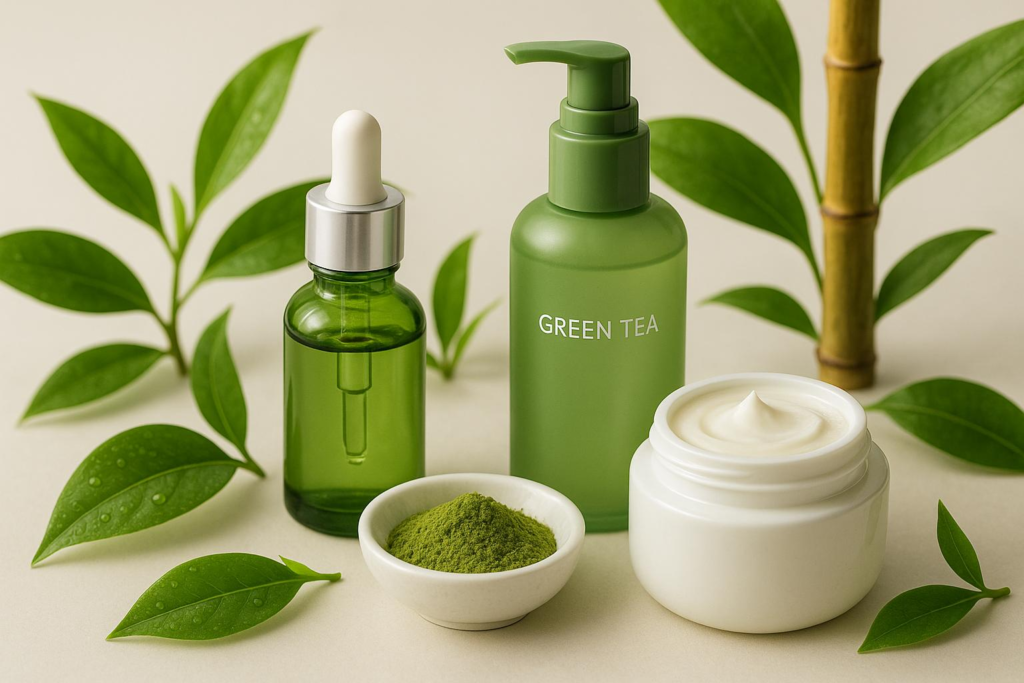
Green tea is rich in antioxidants called catechins.
These compounds help protect the skin from environmental damage.
Benefits
Green tea may help:
- Reduce the appearance of tired skin
- Support healthy aging
- Calm the skin
- Protect against oxidative stress
How to Use Green Tea
- Drink green tea regularly
- Use green tea toners
- Apply cooled green tea as a facial mist
Best For
- Aging skin
- Oily skin
- Combination skin
5. Coconut Oil: Deep Nourishment
What Is Coconut Oil?
Coconut oil is extracted from mature coconuts and contains beneficial fatty acids.
Benefits
Coconut oil may:
- Improve skin softness
- Support the skin barrier
- Reduce dryness
- Provide nourishment
How to Use
- As a nighttime moisturizer
- In body care routines
- For dry areas such as elbows and knees
Best For
- Dry skin
- Rough skin
Note
People with acne-prone skin should use coconut oil cautiously as it may clog pores for some individuals.
6. Oatmeal: Gentle Skin Comfort
Why Oatmeal Is Used in Skincare
Oatmeal is known for its calming and soothing properties.
Benefits
Oatmeal can help:
- Comfort sensitive skin
- Support hydration
- Improve skin softness
- Reduce dryness
DIY Oatmeal Mask
Combine:
- Ground oats
- Honey
- Water
Apply for 15 minutes.
Best For
- Sensitive skin
- Dry skin
- Itchy skin
7. Avocado: Nutrient-Rich Skin Support
Nutritional Benefits
Avocados contain:
- Vitamin E
- Healthy fats
- Antioxidants
Skin Benefits
Avocado may help:
- Improve hydration
- Support elasticity
- Nourish the skin barrier
How to Use
- Avocado face masks
- Avocado-based skincare products
- Include avocados in your diet
Best For
- Dry skin
- Mature skin
8. Rose Water: Natural Refreshment
What Is Rose Water?
Rose water is created by distilling rose petals.
Benefits
Rose water may:
- Refresh the skin
- Support hydration
- Provide a soothing sensation
- Help balance the skin
How to Use
- Facial mist
- Toner
- Makeup setting spray
Best For
- All skin types
9. Cucumber: Cooling Hydration
Why Cucumber Works
Cucumber contains a high percentage of water and beneficial nutrients.
Benefits
Cucumber may help:
- Refresh tired skin
- Support hydration
- Reduce puffiness
- Improve comfort
How to Use
- Cucumber slices
- Cucumber masks
- Cucumber-infused skincare products
Best For
- Puffy skin
- Dehydrated skin
10. Jojoba Oil: Skin-Friendly Moisture
What Makes Jojoba Oil Unique?
Jojoba oil closely resembles the skin’s natural oils.
Benefits
It may:
- Balance moisture levels
- Support hydration
- Improve softness
- Help maintain skin comfort
Best For
- Oily skin
- Combination skin
- Normal skin
Nutrition and Healthy Skin
External skincare is important, but healthy skin also begins from within.
Skin-Friendly Foods
Fruits
- Berries
- Oranges
- Papaya
- Watermelon
Vegetables
- Spinach
- Carrots
- Sweet potatoes
- Tomatoes
Healthy Fats
- Nuts
- Seeds
- Avocados
Protein Sources
- Eggs
- Fish
- Legumes
A nutrient-rich diet provides essential building blocks for healthy skin.
Lifestyle Habits That Support Healthy Skin
Stay Hydrated
Water helps maintain skin hydration and overall wellness.
Get Enough Sleep
Sleep supports recovery and skin renewal.
Manage Stress
Chronic stress can affect skin appearance.
Exercise Regularly
Physical activity improves circulation and supports skin vitality.
Protect Your Skin from the Sun
Use appropriate sun protection daily.
Common Mistakes to Avoid
Overusing Products
Too many products can overwhelm the skin.
Ignoring Patch Tests
Always test new ingredients before full application.
Inconsistent Skincare
Consistency is key to long-term results.
Forgetting Internal Health
Diet, hydration, sleep, and stress management are just as important as skincare products.
Frequently Asked Questions
Are natural ingredients better than synthetic ingredients?
Not necessarily. Both natural and synthetic ingredients can be beneficial. The best choice depends on your skin type and needs.
Can natural ingredients improve skin health?
Many natural ingredients contain nutrients and antioxidants that support healthy skin when used appropriately.
How long does it take to see results?
Results vary depending on the ingredient, consistency, and individual skin type.
Can I use multiple natural ingredients together?
Yes, but introduce new ingredients gradually and monitor your skin’s response.
Which natural ingredient is best for glowing skin?
Aloe vera, honey, turmeric, green tea, and avocado are among the most popular ingredients for promoting healthy-looking, radiant skin.
Conclusion
Nature offers an incredible collection of ingredients that can support healthy, radiant skin. Aloe vera, honey, turmeric, green tea, oatmeal, avocado, rose water, cucumber, jojoba oil, and coconut oil have all earned their place in natural skincare traditions because of their nourishing and protective properties.
While no single ingredient is a miracle solution, combining natural skincare with healthy lifestyle habits such as hydration, balanced nutrition, quality sleep, exercise, and stress management can make a significant difference in your skin’s appearance and overall health.
Healthy skin is not about perfection. It is about consistency, nourishment, and caring for your body from the inside out. By embracing natural ingredients and a holistic approach to wellness, you can support your skin’s natural ability to look and feel its best.