Iron deficiency is one of the most common nutritional deficiencies worldwide, especially among women. Despite being a widespread health issue, many women fail to recognize the early signs until symptoms begin affecting their daily lives.
Iron is an essential mineral that helps your body produce hemoglobin, a protein in red blood cells responsible for carrying oxygen throughout the body. When iron levels become too low, your body cannot produce enough healthy red blood cells, leading to iron deficiency and, in severe cases, iron-deficiency anemia.
Women are particularly vulnerable to iron deficiency due to menstruation, pregnancy, breastfeeding, and dietary factors. If left untreated, low iron levels can impact energy, concentration, immunity, physical performance, and overall quality of life.
In this comprehensive guide, we’ll explore the signs of iron deficiency in women, common causes, risk factors, diagnosis, treatment options, and dietary strategies to restore healthy iron levels.
What Is Iron Deficiency?
Iron deficiency occurs when the body does not have enough iron to meet its needs. Iron is necessary for producing hemoglobin, which transports oxygen from the lungs to tissues and organs.
Without adequate iron:
- Oxygen delivery decreases
- Energy production declines
- Physical performance suffers
- Brain function may be affected
Over time, untreated iron deficiency can develop into iron-deficiency anemia.
Why Women Are More Likely to Experience Iron Deficiency
Women face unique biological factors that increase their risk of low iron levels.
Common reasons include:
- Monthly menstrual blood loss
- Pregnancy
- Breastfeeding
- Heavy periods
- Restrictive diets
- Increased iron needs during growth and reproduction
Women between the ages of 15 and 50 are among the highest-risk groups for iron deficiency.
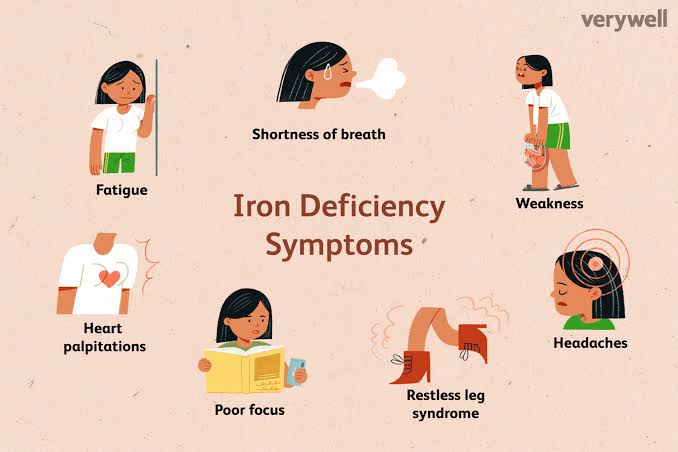
1. Persistent Fatigue and Low Energy
One of the earliest and most common signs of iron deficiency is constant fatigue.
You may feel:
- Tired even after sleeping
- Weak throughout the day
- Exhausted after minor activities
- Less productive than usual
Because iron helps carry oxygen to muscles and tissues, low iron levels can leave your body struggling to produce enough energy.
Why It Happens
Reduced oxygen delivery means your cells cannot generate energy efficiently, leading to chronic tiredness.
2. Pale Skin
Healthy blood gives the skin its natural pink or rosy appearance.
When iron levels drop:
- Skin may appear pale
- Lips may lose color
- Inner eyelids may look lighter than usual
- Nails may appear pale
This occurs because reduced hemoglobin levels decrease blood flow color beneath the skin.
Areas to Check
- Face
- Gums
- Nail beds
- Eyelids
Paleness can be subtle at first but often becomes more noticeable as iron deficiency progresses.
3. Shortness of Breath
If climbing stairs or walking short distances suddenly leaves you breathless, low iron may be contributing.
Common symptoms include:
- Difficulty exercising
- Heavy breathing
- Reduced stamina
- Feeling winded easily
Why It Happens
Your body compensates for reduced oxygen transport by increasing breathing rate.
Even simple physical activities may feel more demanding.
4. Hair Loss and Hair Thinning
Hair loss is a common concern among women with iron deficiency.
You may notice:
- Excess hair shedding
- Thinning hair
- Reduced hair growth
- Weak, brittle strands
The Connection Between Iron and Hair Health
Hair follicles require oxygen and nutrients for healthy growth.
When iron levels fall, the body prioritizes vital organs, leaving hair follicles with fewer resources.
This can trigger excessive shedding and slower hair growth.
5. Frequent Headaches
Iron deficiency can affect oxygen delivery to the brain.
This may lead to:
- Recurring headaches
- Pressure sensations
- Difficulty concentrating
- Brain fog
Many women report headaches becoming more frequent as iron levels decline.
6. Dizziness and Lightheadedness
Feeling dizzy when standing up quickly can be another warning sign.
Symptoms include:
- Lightheadedness
- Feeling faint
- Balance problems
- Occasional blackouts
Why It Happens
Reduced oxygen supply to the brain may temporarily affect balance and awareness.
7. Cold Hands and Feet
Women with low iron often complain about feeling cold even in warm environments.
Common symptoms:
- Cold fingers
- Cold toes
- Difficulty warming up
- Increased sensitivity to cold temperatures
This happens because oxygen circulation becomes less efficient.
8. Brittle or Spoon-Shaped Nails
Iron deficiency may affect nail health.
Signs include:
- Weak nails
- Frequent breakage
- Cracks
- Spoon-shaped nails (koilonychia)
Spoon-shaped nails curve upward and can indicate long-term iron deficiency.
9. Rapid Heartbeat or Heart Palpitations
When oxygen levels drop, the heart works harder to compensate.
Symptoms may include:
- Heart palpitations
- Racing heartbeat
- Irregular heartbeat
- Increased heart rate during activity
If severe, iron deficiency can place additional strain on the cardiovascular system.
10. Poor Concentration and Brain Fog
Many women describe iron deficiency as feeling mentally drained.
Symptoms include:
- Difficulty focusing
- Forgetfulness
- Reduced productivity
- Mental fatigue
The brain requires a continuous oxygen supply for optimal performance.
Low iron levels can impact cognitive function and memory.
11. Increased Susceptibility to Infections
Iron plays a role in immune system function.
Low iron may contribute to:
- Frequent colds
- Slow recovery
- Recurrent infections
- Reduced immune response
Supporting healthy iron levels can help strengthen immunity.
12. Unusual Cravings (Pica)
One unusual symptom of severe iron deficiency is pica.
Pica involves cravings for non-food substances such as:
- Ice
- Clay
- Dirt
- Chalk
- Paper
Craving and chewing ice (pagophagia) is particularly associated with iron deficiency.
Common Causes of Iron Deficiency in Women
Understanding the cause is essential for effective treatment.
Heavy Menstrual Bleeding
One of the leading causes of iron deficiency in women.
Women with heavy periods lose significant amounts of blood each month.
Pregnancy
Iron needs increase dramatically during pregnancy.
The body requires additional iron to support:
- Fetal development
- Placenta growth
- Increased blood volume
Poor Dietary Intake
Women following restrictive diets may consume insufficient iron.
Common risk factors include:
- Very low-calorie diets
- Poor nutrition
- Limited variety of foods
Vegetarian and Vegan Diets
Plant-based diets can be healthy but may require careful planning because plant iron is absorbed less efficiently.
Digestive Disorders
Conditions affecting nutrient absorption include:
- Celiac disease
- Crohn’s disease
- Ulcerative colitis
Internal Blood Loss
Some medical conditions may cause hidden bleeding.
Examples include:
- Stomach ulcers
- Colon polyps
- Gastrointestinal disorders
Iron-Rich Foods Women Should Eat
Improving dietary intake is one of the most effective ways to prevent iron deficiency.
Animal-Based Iron Sources
These provide heme iron, which is absorbed more efficiently.
Examples:
- Lean red meat
- Chicken
- Turkey
- Fish
- Eggs
Plant-Based Iron Sources
Examples:
- Lentils
- Chickpeas
- Kidney beans
- Tofu
- Spinach
- Pumpkin seeds
- Quinoa
Foods Rich in Vitamin C
Vitamin C significantly improves iron absorption.
Pair iron-rich foods with:
- Oranges
- Lemons
- Guava
- Kiwi
- Strawberries
- Bell peppers
- Tomatoes
Example:
Spinach salad with lemon juice can improve iron absorption.
Foods That May Reduce Iron Absorption
Certain foods can interfere with iron absorption when consumed with meals.
These include:
- Tea
- Coffee
- Excess calcium supplements
- Large amounts of dairy products
Try consuming them separately from iron-rich meals.
How Iron Deficiency Is Diagnosed
A healthcare provider may recommend blood tests including:
- Hemoglobin
- Ferritin
- Serum iron
- Transferrin saturation
- Complete blood count (CBC)
Ferritin is often one of the best indicators of iron stores.
Treatment Options
Treatment depends on severity and underlying cause.
Dietary Changes
Increasing iron-rich foods may help mild deficiencies.
Iron Supplements
A healthcare professional may recommend supplements if dietary changes are insufficient.
Always follow medical guidance because excessive iron can be harmful.
Treating Underlying Conditions
Addressing heavy periods, digestive disorders, or other causes may be necessary.
Tips to Prevent Iron Deficiency
Eat Iron-Rich Foods Daily
Include a variety of iron sources.
Pair Iron with Vitamin C
This improves absorption.
Avoid Skipping Meals
Consistent nutrition supports healthy iron levels.
Monitor Heavy Periods
Discuss excessive menstrual bleeding with a healthcare provider.
Schedule Regular Health Checkups
Routine blood tests can identify deficiencies early.
Frequently Asked Questions
What is the first sign of iron deficiency in women?
Fatigue is often one of the earliest and most noticeable symptoms.
Can iron deficiency cause hair loss?
Yes. Low iron levels can contribute to hair thinning and increased shedding.
How long does it take to improve iron levels?
Improvement varies depending on severity, diet, and treatment. Some women notice increased energy within a few weeks of appropriate treatment.
Can iron deficiency affect mood?
Yes. Low iron may contribute to irritability, poor concentration, and reduced mental clarity.
Which fruit is highest in iron?
While fruits generally contain modest amounts of iron, dried fruits such as raisins, apricots, and prunes provide higher amounts. Pairing fruits rich in vitamin C with iron-rich foods improves absorption.
Conclusion
Recognizing the signs of iron deficiency in women is essential for maintaining long-term health and well-being. Symptoms such as fatigue, pale skin, hair loss, dizziness, headaches, cold hands and feet, poor concentration, and shortness of breath should never be ignored.
Because women face unique risk factors—including menstruation, pregnancy, and increased iron requirements—paying attention to iron intake is especially important. Eating a balanced diet rich in iron-containing foods, pairing them with vitamin C sources, and seeking medical evaluation when symptoms arise can help prevent complications and restore healthy iron levels.
Taking action early can improve energy, support healthy hair and skin, strengthen immunity, and help you feel your best every day.