Introduction
Have you ever noticed how some people remain optimistic even during difficult situations? While life presents challenges to everyone, the way we think about those challenges often determines how we experience them. This is where the power of positive thinking comes into play.
Positive thinking is more than simply smiling or pretending everything is perfect. It is a mental attitude that focuses on hope, opportunities, solutions, and growth rather than dwelling on problems and negativity. A positive mindset can improve mental health, physical well-being, relationships, career success, and overall happiness.
In today’s fast-paced world filled with stress, uncertainty, and constant pressure, cultivating positive thinking has become more important than ever. By choosing constructive thoughts and maintaining an optimistic outlook, you can significantly improve the quality of your everyday life.
In this article, we’ll explore the benefits of positive thinking, practical ways to develop a positive mindset, and how optimism can transform various aspects of daily living.
What Is Positive Thinking?
Positive thinking refers to the practice of focusing on the good aspects of situations while maintaining realistic expectations. It doesn’t mean ignoring difficulties or pretending problems don’t exist. Instead, it involves approaching challenges with confidence, resilience, and the belief that solutions can be found.
People with a positive mindset tend to:
- Focus on solutions rather than problems
- Learn from failures
- Express gratitude regularly
- Maintain hope during difficult times
- Believe in their ability to overcome obstacles
- Encourage themselves through self-talk
Positive thinking is a skill that can be developed and strengthened over time.
Why Positive Thinking Matters
Our thoughts influence our emotions, behaviors, and decisions. Negative thoughts often lead to stress, anxiety, and self-doubt, while positive thoughts encourage confidence, motivation, and emotional balance.
When you think positively:
- You handle stress more effectively.
- You become more resilient.
- You make better decisions.
- You improve your relationships.
- You experience greater life satisfaction.
Positive thinking creates a ripple effect that impacts nearly every area of life.
Benefits of Positive Thinking in Everyday Life
1. Improves Mental Health
One of the most significant benefits of positive thinking is better mental well-being.
People who practice optimism often experience:
- Lower stress levels
- Reduced anxiety
- Better emotional control
- Increased self-esteem
- Greater life satisfaction
When faced with challenges, positive thinkers are more likely to focus on possible solutions instead of becoming overwhelmed by negative emotions.
Example
Instead of thinking:
“I’ll never be able to do this.”
A positive thinker says:
“This is difficult, but I can learn and improve.”
This simple shift can dramatically reduce stress and improve confidence.
2. Reduces Stress Levels

Stress is a normal part of life, but excessive stress can harm both mental and physical health.
Positive thinking helps by:
- Reducing worry
- Improving problem-solving abilities
- Encouraging calm decision-making
- Increasing emotional resilience
Optimistic individuals often view setbacks as temporary rather than permanent, making it easier to recover from stressful situations.
Everyday Example
If you miss a deadline at work, negative thinking might lead to panic and self-criticism.
Positive thinking encourages:
“I made a mistake, but I can learn from it and do better next time.”
3. Enhances Physical Health
Research has shown a strong connection between mental attitude and physical health.
Positive thinkers often experience:
- Lower blood pressure
- Better cardiovascular health
- Stronger immune function
- Reduced inflammation
- Better sleep quality
When stress decreases, the body functions more efficiently and remains healthier overall.
4. Builds Self-Confidence
Confidence grows when we believe in ourselves and our abilities.
Positive thinking helps individuals:
- Trust their decisions
- Take calculated risks
- Pursue goals confidently
- Learn from failures
Rather than focusing on weaknesses, optimistic people focus on growth and improvement.
Positive Self-Talk Examples
Instead of:
“I’m not good enough.”
Try:
“I am learning and improving every day.”
Instead of:
“I always fail.”
Try:
“Every mistake teaches me something valuable.”
5. Strengthens Relationships
Our mindset affects how we interact with others.
Positive individuals tend to:
- Communicate more effectively
- Show empathy
- Resolve conflicts peacefully
- Offer encouragement
- Build stronger connections
People are naturally drawn to individuals who radiate positivity and kindness.
Relationship Benefits
Positive thinking can help:
- Improve friendships
- Strengthen family bonds
- Enhance romantic relationships
- Create better workplace interactions
A positive attitude fosters trust and mutual respect.
6. Improves Productivity and Performance
Whether you’re a student, employee, entrepreneur, or homemaker, positive thinking can improve performance.
Optimistic individuals are more likely to:
- Stay motivated
- Focus on goals
- Adapt to challenges
- Maintain persistence
Instead of giving up after setbacks, they continue moving forward.
Example
A student who receives poor exam results can choose between:
Negative mindset:
“I am not smart enough.”
Positive mindset:
“I need to study differently next time.”
The second approach encourages growth and improvement.
7. Helps You Overcome Challenges
Life is full of obstacles.
Positive thinking doesn’t eliminate difficulties, but it changes how you respond to them.
Benefits include:
- Better coping skills
- Greater resilience
- Increased determination
- Improved emotional strength
Optimistic people understand that setbacks are temporary and that challenges often create opportunities for growth.
8. Encourages Better Decision-Making
Emotions strongly influence decision-making.
When negativity dominates, decisions are often based on fear or anxiety.
Positive thinking allows individuals to:
- Think clearly
- Evaluate options objectively
- Focus on opportunities
- Make balanced choices
This leads to better outcomes in both personal and professional life.
9. Increases Happiness
Positive thinking is closely linked to happiness.
People who focus on gratitude, achievements, and meaningful experiences often report greater life satisfaction.
Happiness doesn’t come from having a perfect life—it comes from appreciating what you have and maintaining hope for the future.
Daily Happiness Habits
- Practicing gratitude
- Celebrating small wins
- Spending time with loved ones
- Engaging in hobbies
- Helping others
These habits naturally support positive thinking.
10. Supports Career Growth
A positive attitude can significantly impact professional success.
Employers value individuals who:
- Remain calm under pressure
- Work well with teams
- Adapt to change
- Demonstrate leadership qualities
Positive thinkers are often viewed as reliable, motivated, and solution-oriented professionals.
Workplace Benefits
Positive thinking can lead to:
- Better teamwork
- Increased productivity
- Career advancement
- Stronger leadership skills
How Positive Thinking Affects the Brain
Our brains are influenced by repeated thought patterns.
When we consistently think positively:
- Neural pathways strengthen
- Stress hormones decrease
- Emotional regulation improves
- Motivation increases
Over time, positive thinking becomes a habit rather than a conscious effort.
This concept is known as neuroplasticity—the brain’s ability to adapt and change based on experiences and thought patterns.
Common Negative Thinking Patterns
To cultivate positivity, it’s important to recognize negative thought habits.
Catastrophizing
Assuming the worst possible outcome.
Example:
“If I make one mistake, I’ll lose everything.”
Overgeneralization
Believing one setback defines your future.
Example:
“I failed once, so I’ll always fail.”
Self-Criticism
Being excessively harsh toward yourself.
Example:
“I am not capable of success.”
Comparing Yourself to Others
Constant comparison can reduce self-esteem.
Remember that everyone’s journey is unique.
Practical Ways to Develop Positive Thinking
1. Practice Gratitude Daily
Gratitude shifts attention from what’s missing to what’s already present.
Every day, write down:
- Three things you’re grateful for
- One achievement
- One positive experience
Over time, this habit trains your mind to focus on abundance rather than scarcity.
2. Use Positive Affirmations
Affirmations are encouraging statements that reinforce confidence.
Examples:
- I am capable and strong.
- I learn from every experience.
- I deserve happiness and success.
- I can overcome challenges.
Repeat them daily for maximum impact.
3. Surround Yourself with Positive People
Your environment influences your mindset.
Spend more time with people who:
- Encourage growth
- Inspire confidence
- Support your goals
- Offer constructive feedback
Limit exposure to chronic negativity whenever possible.
4. Focus on Solutions
When problems arise, ask:
- What can I learn from this?
- What actions can I take?
- How can I improve the situation?
This approach encourages proactive thinking.
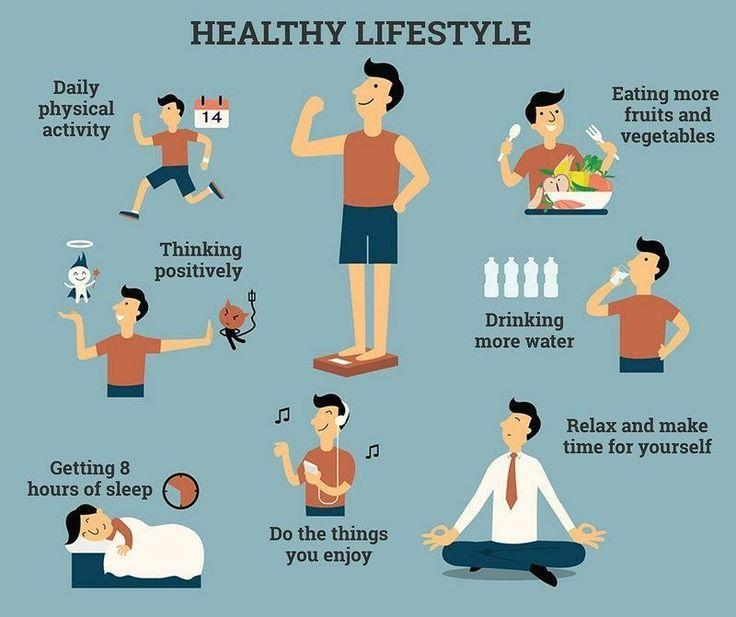
5. Take Care of Your Physical Health
Mental and physical health are deeply connected.
Healthy habits include:
- Regular exercise
- Nutritious eating
- Adequate sleep
- Staying hydrated
These practices improve mood and energy levels.
6. Limit Negative Media Consumption
Constant exposure to negative news and social media can affect your mindset.
Consider:
- Taking breaks from social media
- Following inspiring content
- Consuming educational resources
Balance is essential.
7. Celebrate Small Wins
Success isn’t only about major achievements.
Celebrate:
- Completing a task
- Learning a new skill
- Staying consistent
- Overcoming a challenge
Recognizing progress builds confidence and motivation.
Positive Thinking in Different Areas of Life

At Home
Positive thinking promotes patience, understanding, and stronger family relationships.
At Work
It encourages productivity, teamwork, and career growth.
In Education
Students develop resilience and confidence when facing academic challenges.
In Health and Fitness
A positive mindset improves consistency and long-term commitment to healthy habits.
In Personal Growth
Optimism encourages continuous learning and self-improvement.
Myths About Positive Thinking
Myth 1: Positive Thinking Means Ignoring Problems
Reality:
Positive thinking involves acknowledging challenges while focusing on solutions.
Myth 2: Positive People Never Feel Sad
Reality:
Everyone experiences difficult emotions.
Positive individuals simply recover more effectively.
Myth 3: Positive Thinking Guarantees Success
Reality:
Success requires effort, persistence, and action.
Positive thinking supports these behaviors but does not replace them.
Frequently Asked Questions
Can Positive Thinking Change Your Life?
Yes. Positive thinking influences behavior, decision-making, relationships, and resilience, which collectively impact life outcomes.
How Long Does It Take to Develop a Positive Mindset?
It varies by individual, but consistent practice over several weeks or months can create noticeable changes.
Is Positive Thinking Scientifically Supported?
Many studies suggest optimism is associated with improved mental health, lower stress, better physical health, and increased life satisfaction.
What Is the Best Way to Start Thinking Positively?
Begin with gratitude, positive self-talk, and focusing on solutions rather than problems.
Conclusion
The power of positive thinking lies in its ability to transform how we view ourselves, others, and the world around us. While life will always present challenges, maintaining a positive mindset helps us navigate difficulties with confidence, resilience, and hope.
Positive thinking improves mental health, strengthens relationships, boosts productivity, enhances physical well-being, and increases overall happiness. Most importantly, it empowers us to focus on possibilities rather than limitations.
Remember, positivity isn’t about ignoring reality—it’s about choosing a perspective that supports growth, learning, and progress. By practicing gratitude, using positive affirmations, surrounding yourself with supportive people, and focusing on solutions, you can cultivate a mindset that leads to a more fulfilling and successful life.
Start today with one positive thought, and watch how it gradually transforms your everyday life.