
Transform Your Life One Step at a Time
In today’s fast-paced world, maintaining a healthy lifestyle has become more important than ever. Many people struggle with stress, unhealthy eating habits, lack of physical activity, and poor sleep quality. While modern life offers convenience, it often comes at the cost of our physical and mental well-being.
The good news is that healthy living doesn’t require extreme diets, expensive gym memberships, or complicated routines. Small, consistent changes can create remarkable improvements in your health, energy levels, and overall quality of life. This guide explores practical strategies to help you build a healthier and happier life.
Understanding Healthy Living
Healthy living is more than simply avoiding illness. It involves maintaining a balanced lifestyle that supports physical, mental, and emotional well-being. A healthy lifestyle includes proper nutrition, regular exercise, quality sleep, stress management, and positive relationships.
When these elements work together, they create a strong foundation for long-term wellness. Instead of focusing on quick fixes, healthy living emphasizes sustainable habits that can be maintained for years.
The Importance of Proper Nutrition
Nutrition is one of the most significant factors influencing your health. The food you consume provides your body with the nutrients needed to function efficiently.

Eat More Whole Foods
Whole foods are minimally processed and rich in nutrients. Examples include:
- Fresh fruits
- Vegetables
- Whole grains
- Nuts and seeds
- Lean proteins
- Legumes
These foods provide essential vitamins, minerals, antioxidants, and fiber that support overall health.
Stay Hydrated
Water is essential for every function in the body. Proper hydration helps regulate body temperature, supports digestion, improves concentration, and promotes healthy skin.
Experts generally recommend drinking at least 8 glasses of water daily, though individual needs may vary based on activity level and climate.
Reduce Processed Foods
Processed foods often contain excessive amounts of sugar, unhealthy fats, sodium, and artificial ingredients. Consuming these foods regularly can contribute to obesity, heart disease, and other chronic health conditions.
Instead, focus on preparing meals using fresh ingredients whenever possible.
Benefits of Regular Exercise

Physical activity is one of the most effective ways to improve overall health.
Physical Benefits
Regular exercise helps:
- Strengthen muscles and bones
- Improve cardiovascular health
- Maintain a healthy weight
- Increase energy levels
- Enhance flexibility and mobility
Mental Health Benefits
Exercise also supports mental wellness by:
- Reducing stress
- Improving mood
- Boosting confidence
- Enhancing cognitive function
- Lowering symptoms of anxiety and depression
Simple Ways to Stay Active
You don’t need to spend hours at the gym. Consider:
- Walking for 30 minutes daily
- Cycling
- Swimming
- Yoga
- Dancing
- Home workouts
Consistency matters more than intensity.
The Power of Quality Sleep
Sleep is often overlooked, yet it plays a critical role in health and well-being.
Why Sleep Matters
During sleep, your body repairs tissues, consolidates memories, and regulates hormones. Poor sleep can negatively affect:
- Mood
- Concentration
- Immune function
- Weight management
- Heart health
Tips for Better Sleep
- Maintain a consistent sleep schedule.
- Avoid screens before bedtime.
- Create a comfortable sleep environment.
- Limit caffeine intake in the evening.
- Practice relaxation techniques.
Adults typically need between 7 and 9 hours of sleep each night.
Managing Stress Effectively

Stress is a natural part of life, but chronic stress can have serious health consequences.
Common Effects of Stress
Long-term stress may lead to:
- High blood pressure
- Sleep problems
- Anxiety
- Digestive issues
- Weakened immunity
Stress Management Techniques
Practice Mindfulness
Mindfulness involves focusing on the present moment without judgment. It can help reduce anxiety and improve emotional balance.
Deep Breathing Exercises
Simple breathing techniques can calm the nervous system and reduce stress within minutes.
Spend Time in Nature
Nature has a calming effect on the mind and body. Walking in a park or spending time outdoors can significantly improve mood.
Engage in Hobbies
Activities you enjoy provide relaxation and help create a healthy work-life balance.
Building Healthy Habits
Success in healthy living comes from developing habits that become part of your daily routine.
Start Small
Trying to change everything at once can feel overwhelming. Begin with one or two manageable goals, such as drinking more water or taking a daily walk.
Be Consistent
Consistency is more important than perfection. Small actions repeated daily create lasting results.
Track Your Progress
Keeping a journal or using a health app can help you stay motivated and identify areas for improvement.
Celebrate Small Wins
Recognizing progress boosts confidence and encourages continued effort.
The Role of Mental Health
Mental health is just as important as physical health.
Prioritize Self-Care
Self-care involves activities that support emotional well-being, including:
- Reading
- Meditation
- Journaling
- Taking breaks
- Spending time with loved ones
Seek Support When Needed
Talking to friends, family, or mental health professionals can provide valuable guidance and emotional support.
Practice Gratitude
Gratitude shifts attention toward positive experiences and can improve overall happiness.
Healthy Relationships and Social Connections
Strong relationships contribute significantly to well-being.
Benefits include:
- Reduced stress
- Increased happiness
- Better emotional resilience
- Improved mental health
Invest time in meaningful connections and surround yourself with supportive individuals.
The Importance of Preventive Healthcare
Preventive healthcare helps identify potential issues before they become serious.
Regular health checkups can:
- Detect diseases early
- Monitor key health indicators
- Provide personalized health recommendations
Preventive care is often more effective and less costly than treating advanced illnesses.
Healthy Living for Different Age Groups
Children
Focus on:
- Balanced nutrition
- Active play
- Adequate sleep
- Positive routines
Adults
Prioritize:
- Regular exercise
- Stress management
- Work-life balance
- Preventive healthcare
Older Adults
Emphasize:
- Mobility exercises
- Nutrient-rich diets
- Social engagement
- Regular medical screenings
Common Myths About Healthy Living
Myth 1: Healthy Eating Is Expensive
Many nutritious foods, such as beans, oats, vegetables, and fruits, are affordable and accessible.
Myth 2: Exercise Requires a Gym
Home workouts, walking, and bodyweight exercises can be highly effective.
Myth 3: Healthy Living Means Perfection
A healthy lifestyle is about balance, not perfection. Occasional treats are part of a sustainable approach.
Creating a Personalized Wellness Plan
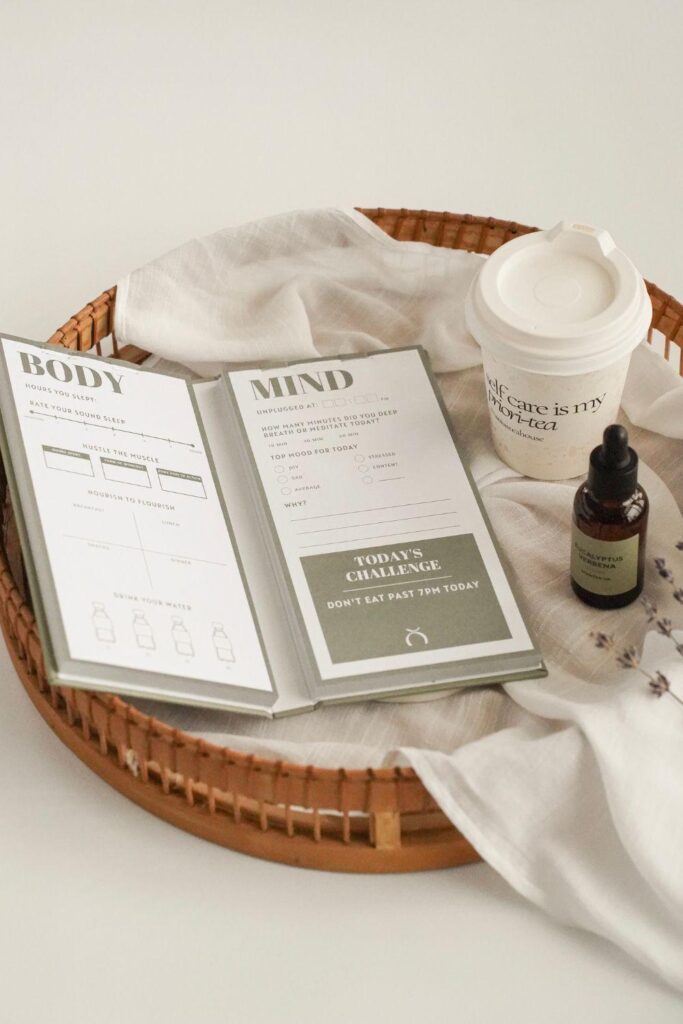
A personalized plan increases the likelihood of success.
Step 1: Assess Your Current Lifestyle
Identify areas needing improvement.
Step 2: Set SMART Goals
Goals should be:
- Specific
- Measurable
- Achievable
- Relevant
- Time-bound
Step 3: Create Daily Actions
Break goals into manageable steps.
Step 4: Review and Adjust
Regularly evaluate progress and make necessary changes.
The Future of Wellness
As technology advances, people have greater access to health information, fitness tracking tools, and personalized wellness solutions.
However, the core principles remain unchanged:
- Eat nutritious foods
- Stay active
- Sleep well
- Manage stress
- Build meaningful relationships
These timeless habits continue to provide the foundation for long-term health.
Conclusion
Healthy living is a lifelong journey, not a destination. Every positive choice you make contributes to better health, increased energy, and greater happiness. You don’t need to make dramatic changes overnight. Focus on small, consistent improvements and allow them to grow into lasting habits.
Remember that progress is more important than perfection. By prioritizing nutrition, exercise, sleep, stress management, and mental well-being, you can create a healthier, more fulfilling life.
Your journey to wellness starts with a single step. Start today, stay consistent, and enjoy the benefits of a healthier future.