Introduction
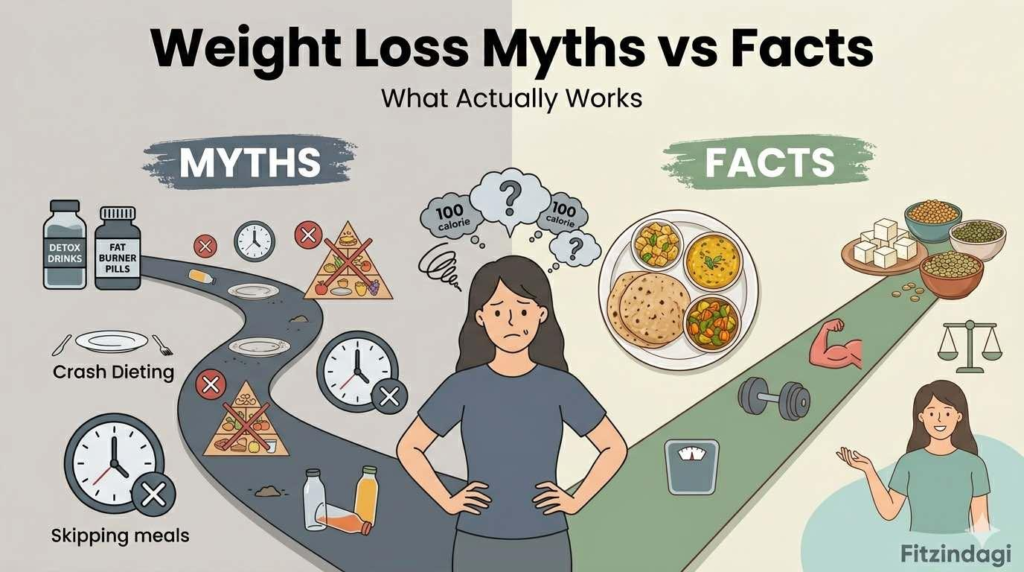
Weight loss is one of the most discussed health topics in the world. Every day, social media, advertisements, influencers, and even well-meaning friends share advice on how to lose weight quickly. Unfortunately, much of this information is based on myths rather than science.
From crash diets and detox teas to skipping meals and avoiding all carbohydrates, countless misconceptions can make weight loss more difficult than it needs to be. Believing these myths may not only slow your progress but can also harm your physical and mental health.
The truth is that healthy, sustainable weight loss doesn’t come from extreme measures. It comes from balanced nutrition, regular physical activity, consistency, and healthy lifestyle habits.
In this comprehensive guide, we’ll debunk the most common weight loss myths you should stop believing and explain what actually works for long-term success.
Why Weight Loss Myths Are So Common
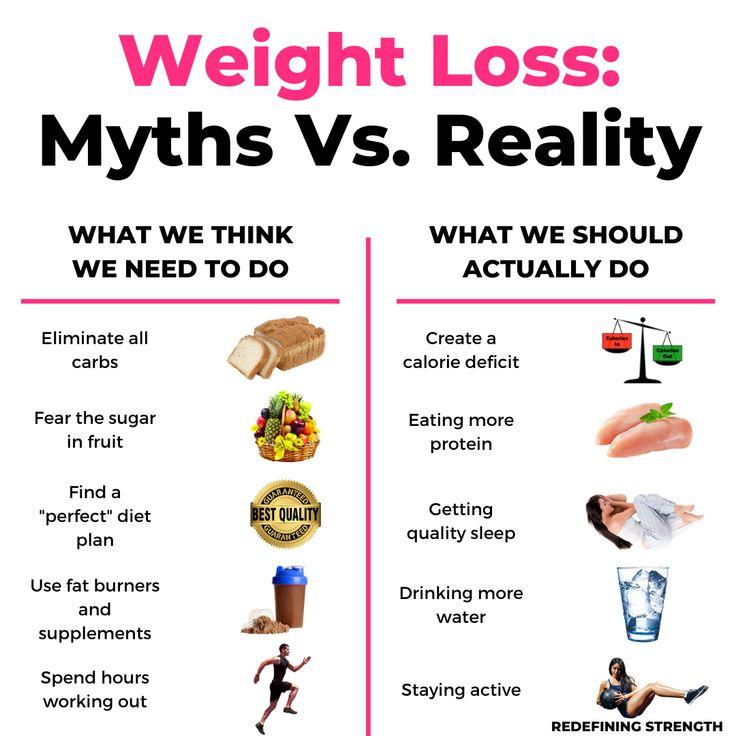
Weight loss myths spread quickly because people naturally want fast results. Promises such as “Lose 10 pounds in a week” or “Burn belly fat overnight” are appealing, even when they’re unrealistic.
Many myths originate from:
- Social media trends
- Celebrity endorsements
- Misinterpreted research
- Marketing tactics
- Personal anecdotes
Understanding the facts behind these myths can help you make informed decisions about your health.
Myth #1: Skipping Meals Helps You Lose Weight Faster
One of the most common misconceptions is that eating less frequently automatically leads to weight loss.
The Truth
Skipping meals often backfires.
When you skip meals:
- Hunger increases
- Energy levels drop
- Cravings become stronger
- You may overeat later
Many people consume more calories during their next meal because they become excessively hungry.
Better Approach
Focus on balanced meals throughout the day that include:
- Protein
- Fiber
- Healthy fats
- Complex carbohydrates
Regular eating patterns often support better appetite control.
Myth #2: Carbohydrates Make You Gain Weight
Carbs are frequently blamed for weight gain, leading many people to eliminate them completely.
The Truth
Not all carbohydrates are created equal.
Healthy carbohydrates provide:
- Energy
- Fiber
- Vitamins
- Minerals
Healthy Carbohydrate Sources
- Oats
- Brown rice
- Quinoa
- Fruits
- Vegetables
- Whole-grain bread
Weight gain is generally caused by consuming excess calories over time, not by eating carbohydrates alone.
What to Limit
- Sugary drinks
- Candy
- Pastries
- Highly processed snacks
Myth #3: You Must Eliminate Fat to Lose Weight
For years, fat was viewed as the enemy of weight loss.
The Truth
Healthy fats are essential for overall health.
They help:
- Support hormone production
- Improve brain function
- Increase satiety
- Absorb fat-soluble vitamins
Healthy Fat Sources
- Avocados
- Nuts
- Seeds
- Olive oil
- Fatty fish
The key is moderation and choosing healthier sources of fat.
Myth #4: Eating After 8 PM Causes Weight Gain
Many people believe that any food eaten at night automatically turns into fat.
The Truth
Weight gain depends primarily on total calorie intake, not the time you eat.
If you consume more calories than your body burns, weight gain may occur regardless of whether you eat in the morning or evening.
The Real Issue
Late-night eating can become problematic when it involves:
- Mindless snacking
- High-calorie foods
- Emotional eating
It’s the eating habits—not the clock—that matter most.
Myth #5: Detox Teas and Cleanses Promote Weight Loss
Detox products are often marketed as quick solutions for shedding pounds.
The Truth
Your body already has its own detoxification system.
The:
- Liver
- Kidneys
- Digestive system
naturally remove waste and toxins.
What Detox Products Usually Do
Most temporary weight loss from detoxes comes from:
- Water loss
- Reduced food intake
The weight typically returns once normal eating resumes.
Better Alternative
Support your body’s natural detoxification by:
- Drinking water
- Eating fruits and vegetables
- Getting enough sleep
- Exercising regularly
Myth #6: You Can Target Fat Loss in Specific Areas
Many advertisements claim you can lose fat specifically from your belly, thighs, or arms.
The Truth
Spot reduction is largely a myth.
When your body burns fat, it decides where the fat comes from based on genetics and hormones.
What Works
Combine:
- Strength training
- Cardiovascular exercise
- Balanced nutrition
Over time, overall body fat decreases, including in problem areas.
Myth #7: Exercise Alone Is Enough for Weight Loss
Many people believe they can eat anything as long as they exercise regularly.
The Truth
Exercise is important, but nutrition plays a major role in weight management.
It’s often easier to consume extra calories than to burn them through exercise.
Best Results Come From
- Healthy eating habits
- Regular exercise
- Adequate sleep
- Stress management
Weight loss is most effective when multiple healthy habits work together.
Myth #8: Weight Loss Supplements Are Necessary
The supplement industry often promotes products that promise rapid fat loss.
The Truth
Most weight loss supplements provide little or no meaningful long-term benefit.
Some may even cause:
- Increased heart rate
- Digestive issues
- Sleep disturbances
Sustainable Weight Loss Doesn’t Require Magic Pills
Focus instead on:
- Nutrition
- Physical activity
- Consistency
These habits deliver more reliable results.
Myth #9: All Calories Are Exactly the Same
Technically, a calorie is a unit of energy, but food quality matters.
The Truth
Different foods affect the body differently.
For example:
- Protein increases fullness
- Fiber supports digestion
- Sugary foods may increase hunger
Compare
500 calories from vegetables, lean protein, and whole grains provide far more nutritional value than 500 calories from sugary snacks.
Food quality influences appetite, energy levels, and overall health.
Myth #10: Rapid Weight Loss Is Better
Many fad diets promise dramatic results in a short period.
The Truth
Rapid weight loss is often unsustainable.
Extreme diets can lead to:
- Muscle loss
- Nutrient deficiencies
- Fatigue
- Increased hunger
Sustainable Weight Loss
Experts generally recommend gradual weight loss through healthy lifestyle changes.
Slow and steady progress is often easier to maintain long-term.
Myth #11: Healthy Foods Can Be Eaten Without Limits
Some people assume that if a food is healthy, portion sizes don’t matter.
The Truth
Even nutritious foods contain calories.
Examples include:
- Nuts
- Nut butters
- Avocados
- Dried fruits
These foods offer valuable nutrients but should still be consumed mindfully.
Balance remains important.
Myth #12: Drinking Water Alone Causes Weight Loss
Water is often promoted as a weight loss solution.
The Truth
Water does not directly burn fat.
However, it can support weight management by:
- Promoting hydration
- Supporting digestion
- Helping control appetite
- Replacing sugary beverages
Water is an important tool but not a standalone weight loss strategy.
Myth #13: You Must Feel Hungry to Lose Weight
Many people associate weight loss with constant hunger.
The Truth
Healthy weight loss does not require starvation.
Balanced meals rich in:
- Protein
- Fiber
- Healthy fats
can help you stay satisfied while managing calorie intake.
Persistent hunger often signals that your diet may be too restrictive.
Myth #14: Weight Loss Is Only About Willpower
People often believe weight management is simply a matter of discipline.
The Truth
Weight is influenced by many factors, including:
- Genetics
- Hormones
- Sleep quality
- Stress levels
- Medical conditions
- Lifestyle habits
Willpower matters, but it is only one piece of a much larger picture.
Myth #15: The Scale Is the Only Measure of Success
Many people judge progress solely by body weight.
The Truth
Health improvements can occur even when the scale changes slowly.
Other indicators include:
- Increased energy
- Better sleep
- Improved fitness
- Reduced waist circumference
- Stronger muscles
- Better blood test results
Progress comes in many forms.
What Actually Works for Healthy Weight Loss?
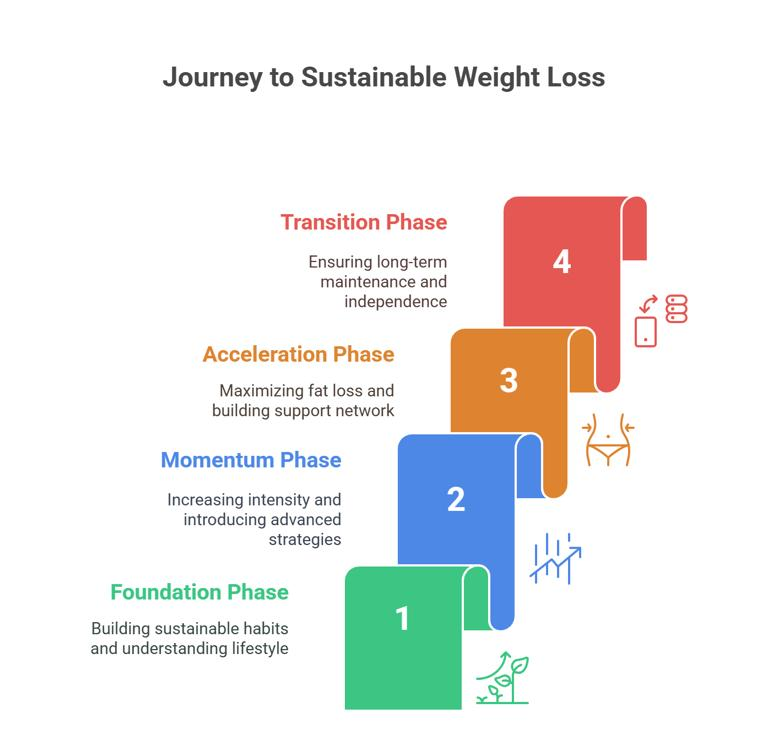
Instead of chasing myths, focus on evidence-based strategies.
1. Eat Balanced Meals
Include:
- Lean protein
- Fruits
- Vegetables
- Whole grains
- Healthy fats
2. Stay Physically Active
Combine:
- Walking
- Strength training
- Cycling
- Swimming
- Other enjoyable activities
3. Get Enough Sleep
Poor sleep can increase hunger hormones and cravings.
Aim for consistent, quality sleep each night.
4. Manage Stress
Chronic stress may contribute to emotional eating and unhealthy habits.
Helpful techniques include:
- Meditation
- Yoga
- Deep breathing
- Journaling
5. Be Consistent
Consistency matters more than perfection.
Small healthy habits practiced regularly often produce the best long-term results.
Common Signs of an Unhealthy Weight Loss Plan
Be cautious if a program promises:
- Extremely rapid results
- No exercise required
- Elimination of entire food groups
- Miracle supplements
- Guaranteed outcomes
Sustainable approaches focus on long-term lifestyle improvements rather than quick fixes.
Frequently Asked Questions
What Is the Biggest Weight Loss Myth?
One of the biggest myths is that skipping meals helps you lose weight faster. In reality, it often leads to increased hunger and overeating.
Are Carbs Bad for Weight Loss?
No. Whole-food carbohydrates can be part of a healthy weight-loss plan.
Do Detox Diets Work?
Most detox diets only cause temporary water loss and do not provide lasting fat loss.
Can You Lose Belly Fat With Specific Exercises?
No. Spot reduction is not possible. Overall fat loss occurs through consistent nutrition and exercise habits.
Conclusion
The world of weight loss is filled with misinformation, making it difficult to know what truly works. While myths may promise quick results, sustainable weight loss is built on science-based habits rather than shortcuts.
Skipping meals, avoiding all carbs, relying on detox teas, and chasing rapid weight loss often create more problems than solutions. Instead, focus on balanced nutrition, regular exercise, adequate sleep, stress management, and long-term consistency.
Remember, healthy weight loss is not about perfection. It’s about making realistic, sustainable choices that support your overall well-being. By letting go of common myths and embracing evidence-based practices, you can achieve lasting results and build a healthier relationship with food and your body.
The most successful weight-loss journey isn’t the fastest—it’s the one you can maintain for life.