Introduction
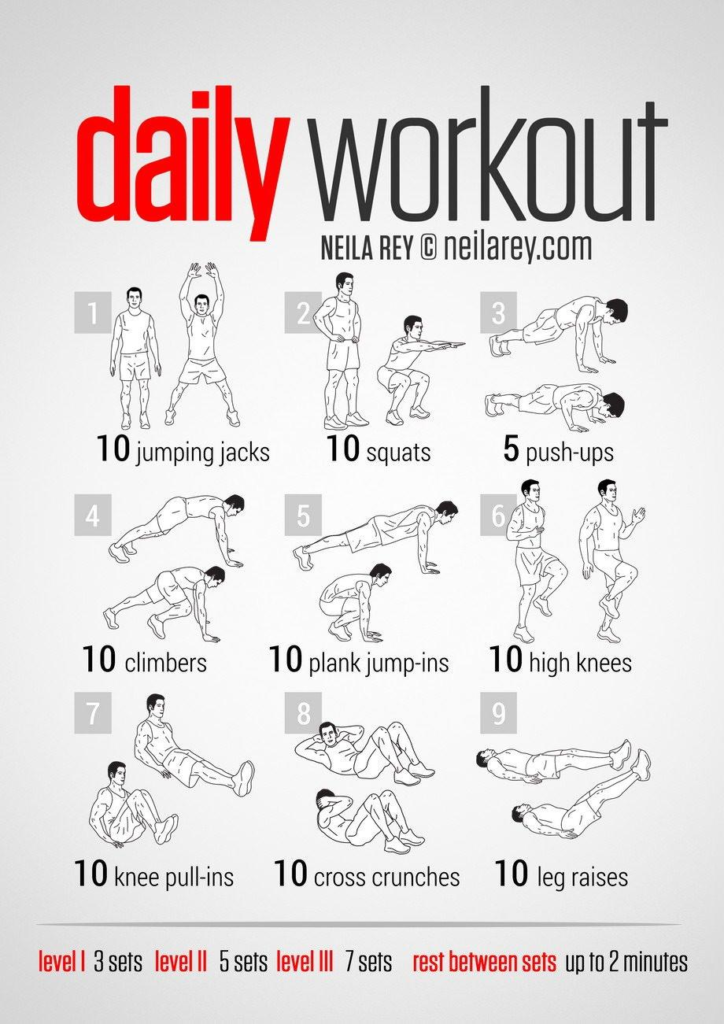
Exercise is one of the most powerful habits you can adopt for a healthier and happier life. While many people exercise to lose weight or improve their appearance, the benefits of daily physical activity go far beyond aesthetics. Regular exercise affects nearly every organ, muscle, and system in your body. From improving heart health to boosting mental well-being, exercising daily can transform your life in remarkable ways.
If you’ve ever wondered what really happens inside your body when you commit to daily exercise, this guide will explain the science-backed benefits and why consistency matters more than intensity.
Why Daily Exercise Matters
Your body is designed to move. However, modern lifestyles often involve long hours of sitting, which can negatively impact health. Daily exercise helps counteract these effects by improving circulation, strengthening muscles, and supporting overall wellness.
The World Health Organization recommends at least 150 minutes of moderate physical activity each week. Exercising daily makes it easier to achieve and exceed this goal while creating a sustainable healthy habit.
Your Heart Becomes Stronger
One of the first changes your body experiences is improved cardiovascular health.
When you exercise:
- Your heart pumps blood more efficiently.
- Blood circulation improves.
- Oxygen delivery to tissues increases.
- Resting heart rate decreases over time.
A stronger heart means your body requires less effort to perform everyday activities. This reduces the risk of heart disease, high blood pressure, and stroke.
Benefits for Heart Health
- Lower blood pressure
- Improved cholesterol levels
- Reduced risk of cardiovascular disease
- Better blood flow throughout the body
Your Muscles Become Stronger
Every time you exercise, your muscles adapt to the physical demands placed on them.
Whether you’re walking, running, lifting weights, or doing yoga, your muscles experience microscopic stress that stimulates growth and repair.
Over time:
- Muscle strength increases.
- Endurance improves.
- Physical performance gets better.
- Everyday tasks become easier.
Strong muscles also support better posture and reduce the risk of injuries.
Your Bones Become Healthier
Many people focus on muscles but forget about bone health.
Weight-bearing exercises such as:
- Walking
- Running
- Hiking
- Strength training
help stimulate bone formation.
Daily exercise can:
- Increase bone density
- Reduce osteoporosis risk
- Improve joint stability
- Support healthy aging
Maintaining strong bones is particularly important as we age.
You Burn More Calories
Exercise increases energy expenditure, helping your body burn calories more efficiently.
Regular physical activity:
- Supports weight management
- Reduces body fat
- Improves metabolism
- Helps maintain a healthy body composition
While nutrition plays a major role in weight management, exercise significantly enhances your body’s ability to utilize energy effectively.
Your Metabolism Improves

Daily exercise boosts your metabolic rate.
This means your body becomes more efficient at:
- Burning calories
- Processing nutrients
- Regulating blood sugar
Strength training is especially effective because increased muscle mass requires more energy, even when you’re resting.
A healthy metabolism contributes to long-term weight management and overall health.
Your Brain Functions Better
Exercise isn’t just beneficial for your body—it also transforms your brain.
Physical activity increases blood flow to the brain and stimulates the release of important chemicals that support cognitive function.
Benefits include:
- Improved memory
- Better concentration
- Faster learning
- Enhanced creativity
Many people notice they feel more productive and mentally sharp after exercising.
Your Mood Improves
One of the most immediate benefits of exercise is improved mood.
Exercise triggers the release of:
- Endorphins
- Dopamine
- Serotonin
These chemicals are often called “feel-good hormones” because they promote happiness and emotional well-being.
Regular exercise can help:
- Reduce stress
- Ease anxiety
- Improve self-confidence
- Support emotional resilience
Your Energy Levels Increase
It may seem strange, but expending energy through exercise actually helps you feel more energized.
Regular physical activity:
- Improves oxygen circulation
- Enhances cardiovascular efficiency
- Supports better sleep
As a result, many people experience higher energy levels throughout the day.
If you frequently feel tired, incorporating daily movement may be one of the most effective natural solutions.
Your Sleep Quality Improves
Quality sleep is essential for overall health.
Daily exercise helps:
- Fall asleep faster
- Stay asleep longer
- Improve sleep quality
- Support recovery
Exercise regulates your body’s internal clock and promotes deeper, more restorative sleep.
However, intense workouts right before bedtime may interfere with sleep for some individuals.
Your Immune System Gets Stronger
Regular moderate exercise supports immune function.
Benefits include:
- Better circulation of immune cells
- Reduced inflammation
- Improved resistance to illness
People who exercise consistently often experience fewer minor illnesses and recover more efficiently.
Your Blood Sugar Becomes More Stable
Exercise helps your body use insulin more effectively.
This leads to:
- Better blood sugar control
- Reduced insulin resistance
- Lower risk of type 2 diabetes
Even simple activities like brisk walking can have a significant positive impact on blood glucose levels.
Your Stress Levels Decrease
Modern life can be stressful, and chronic stress negatively affects both physical and mental health.
Exercise acts as a natural stress reliever by:
- Reducing cortisol levels
- Promoting relaxation
- Improving emotional balance
Many people use exercise as a healthy coping mechanism for daily challenges.
Your Confidence Improves
As your body becomes stronger and healthier, your self-confidence often grows as well.
Exercise can help you:
- Feel more capable
- Achieve personal goals
- Develop discipline
- Improve body image
Confidence gained through physical activity often extends into other areas of life, including work, relationships, and personal development.
Long-Term Benefits of Daily Exercise
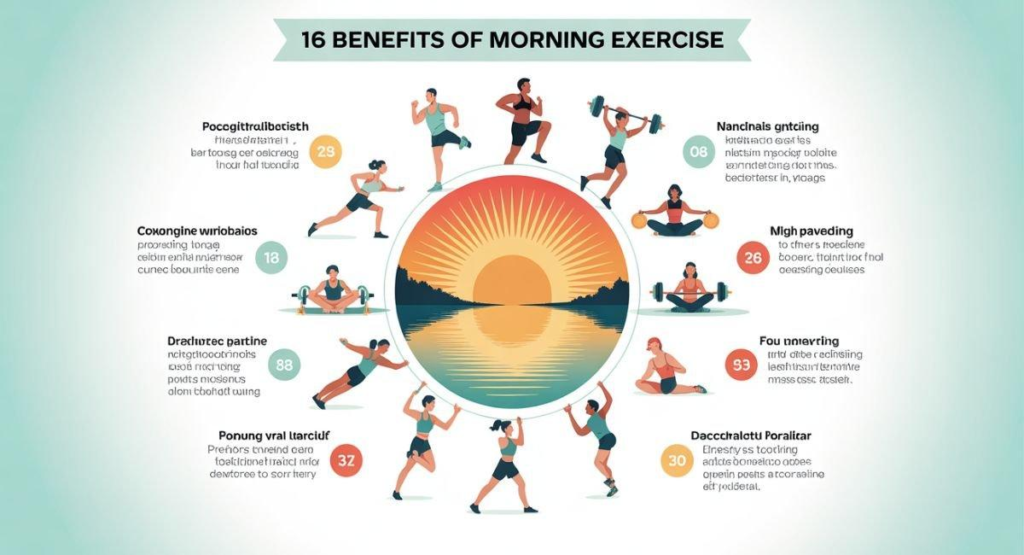
Over months and years, daily exercise can significantly reduce the risk of chronic diseases.
Long-term benefits include:
- Lower risk of heart disease
- Reduced risk of diabetes
- Better mental health
- Healthier aging
- Improved mobility
- Increased longevity
Consistent exercise is one of the most effective investments you can make in your future health.
How Much Exercise Do You Need?
You don’t need to spend hours in the gym every day.
Simple activities can provide significant benefits:
- 30 minutes of brisk walking
- Cycling
- Swimming
- Yoga
- Strength training
- Dancing
The key is consistency rather than perfection.
Tips for Building a Daily Exercise Habit
Start Small
Begin with 10–15 minutes per day and gradually increase duration.
Choose Activities You Enjoy
Enjoyable activities are easier to maintain long term.
Set Realistic Goals
Focus on consistency instead of extreme results.
Track Your Progress
Monitoring improvements can increase motivation.
Stay Patient
Meaningful changes occur gradually through repeated effort.
Conclusion
Daily exercise is one of the most powerful tools for improving physical and mental health. From strengthening your heart and muscles to boosting your mood and energy levels, the benefits affect nearly every part of your body.
The most important thing to remember is that consistency matters. You don’t need intense workouts or expensive equipment to experience positive changes. Simple daily movement can lead to remarkable improvements in your health, confidence, and overall quality of life.
Start where you are, stay consistent, and allow your body to experience the incredible benefits of daily exercise.