Introduction
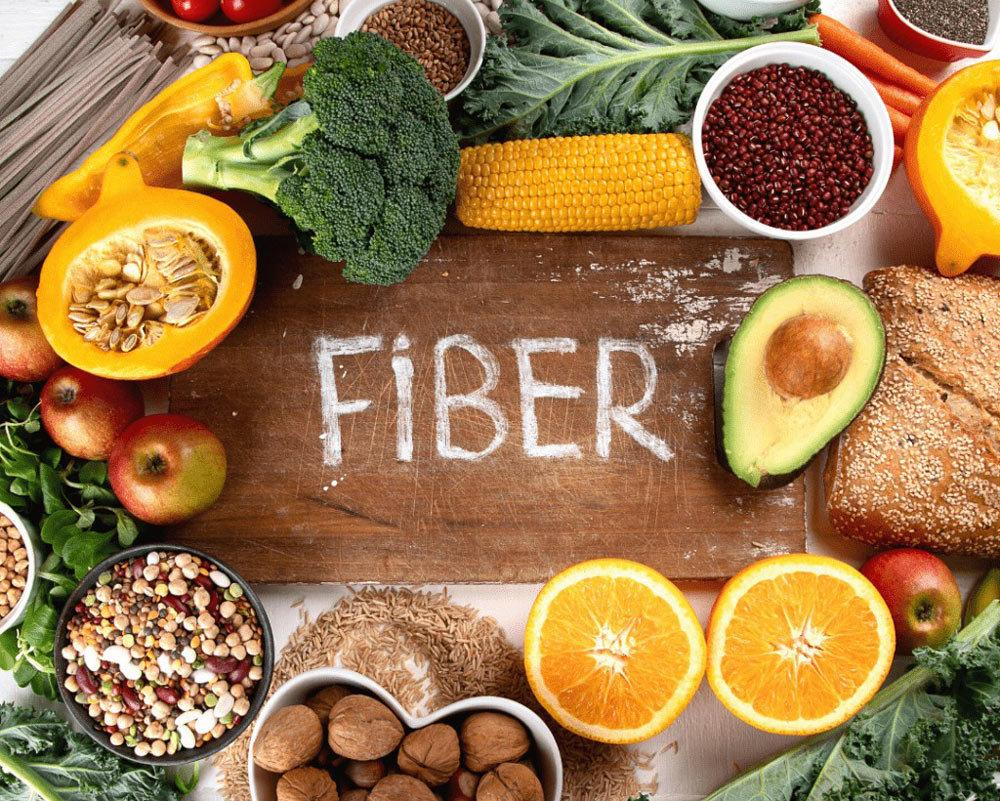
When it comes to healthy eating, nutrients like protein, vitamins, and minerals often receive most of the attention. However, one essential nutrient that is frequently overlooked is dietary fiber. Despite not being digested by the body, fiber plays a crucial role in maintaining overall health and preventing various diseases.
From supporting digestion and weight management to reducing the risk of heart disease and diabetes, fiber is one of the most important components of a balanced diet. Unfortunately, many people consume far less fiber than their bodies need, which can negatively impact both short-term and long-term health.
In this comprehensive guide, you’ll learn why fiber is essential for good health, its major benefits, the best fiber-rich foods to include in your diet, and practical tips to increase your daily fiber intake.
What Is Dietary Fiber?
Dietary fiber is a type of carbohydrate found in plant-based foods that the human body cannot fully digest. Unlike other carbohydrates that are broken down into sugar and absorbed into the bloodstream, fiber passes through the digestive system relatively intact.
Although fiber doesn’t provide calories or nutrients in the traditional sense, it performs several important functions that support overall health.
Types of Fiber
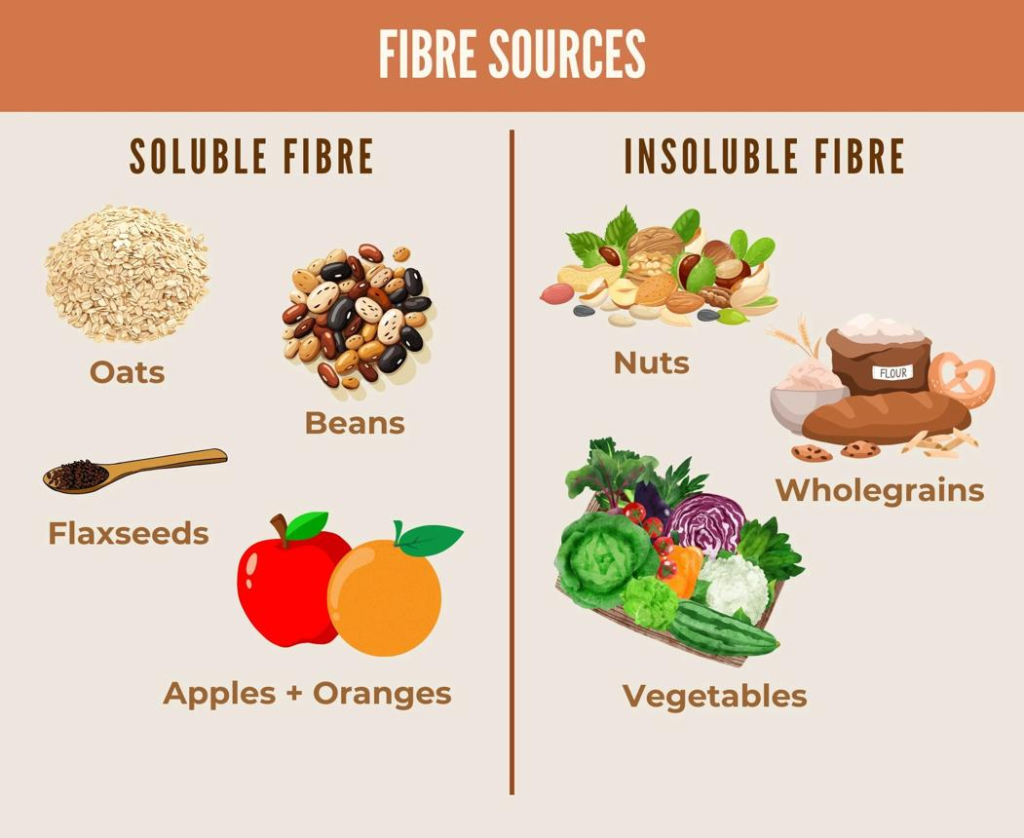
There are two main types of dietary fiber, and both are important for health.
1. Soluble Fiber
Soluble fiber dissolves in water and forms a gel-like substance in the digestive tract.
Benefits of Soluble Fiber
- Helps lower cholesterol levels
- Regulates blood sugar levels
- Supports heart health
- Promotes beneficial gut bacteria
- Increases feelings of fullness
Foods Rich in Soluble Fiber
- Oats
- Apples
- Oranges
- Pears
- Carrots
- Beans
- Lentils
- Chia seeds
- Flaxseeds
2. Insoluble Fiber
Insoluble fiber does not dissolve in water and adds bulk to stool.
Benefits of Insoluble Fiber
- Promotes regular bowel movements
- Prevents constipation
- Supports digestive health
- Helps food move through the digestive tract efficiently
Foods Rich in Insoluble Fiber
- Whole grains
- Brown rice
- Whole wheat bread
- Nuts
- Seeds
- Green vegetables
- Cauliflower
- Cabbage
Why Fiber Is Essential for Good Health
Fiber contributes to nearly every aspect of health. Here are the most important reasons why it deserves a place in your daily diet.
1. Supports Healthy Digestion
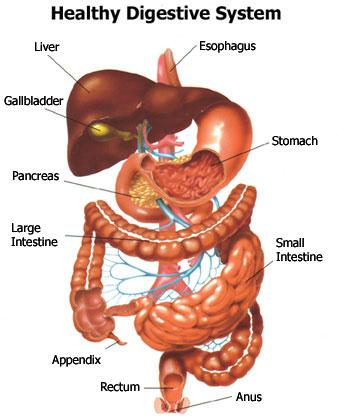
One of fiber’s most well-known benefits is its ability to support digestive health.
Fiber helps:
- Maintain regular bowel movements
- Prevent constipation
- Improve stool consistency
- Support healthy gut function
When fiber absorbs water, it softens stool and makes it easier to pass through the intestines.
Why It Matters
Poor digestion can lead to discomfort, bloating, constipation, and reduced quality of life. Consuming adequate fiber helps keep the digestive system functioning smoothly.
2. Promotes Gut Health
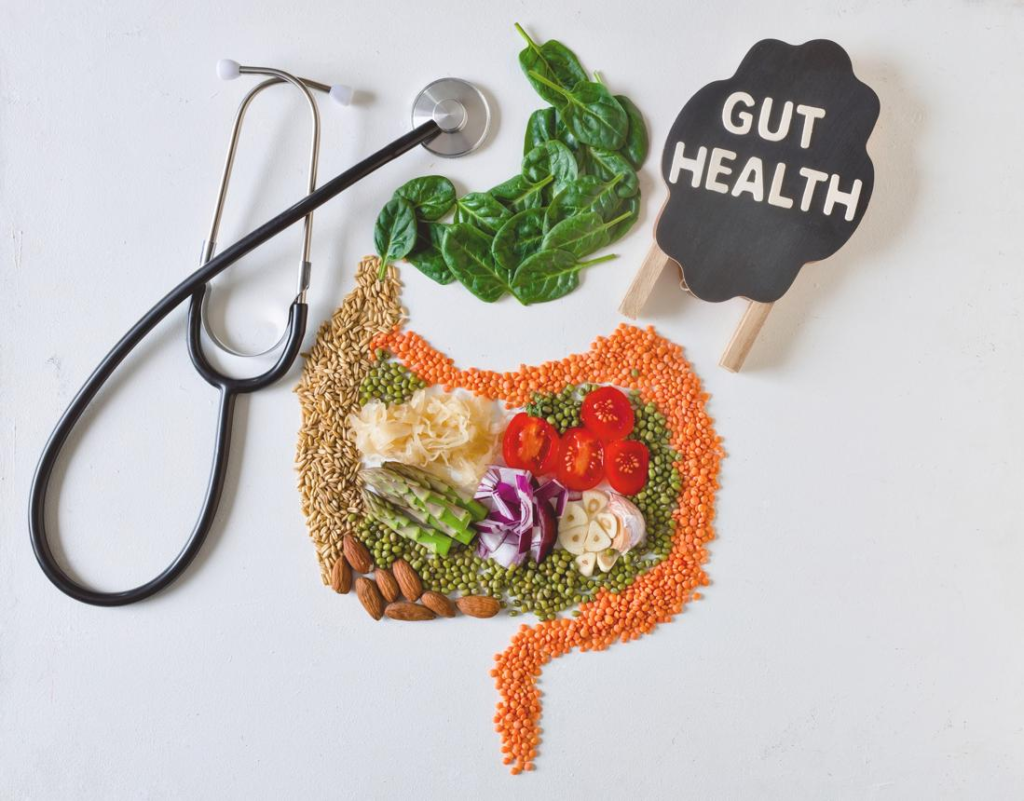
The human gut contains trillions of beneficial bacteria that play a vital role in digestion, immunity, and overall health.
Fiber acts as a prebiotic, meaning it feeds healthy gut bacteria.
Benefits for Gut Health
- Encourages growth of beneficial bacteria
- Improves digestive balance
- Reduces inflammation
- Supports immune function
A healthy gut microbiome has been linked to improved mental health, stronger immunity, and reduced risk of chronic diseases.
3. Helps Maintain a Healthy Weight
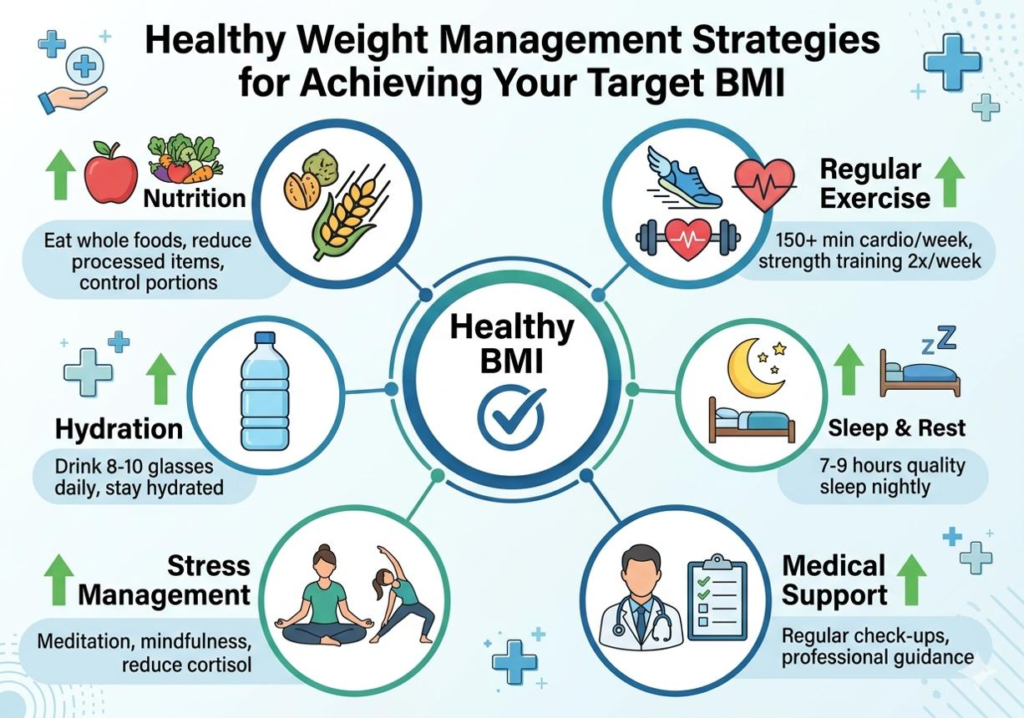
Fiber can be a powerful tool for weight management.
How Fiber Supports Weight Loss
- Increases feelings of fullness
- Slows digestion
- Reduces hunger
- Helps control calorie intake
High-fiber foods typically require more chewing and take longer to digest, helping people feel satisfied for longer periods.
Example
A bowl of oatmeal with fruits keeps you fuller longer than a sugary breakfast cereal because of its higher fiber content.
4. Regulates Blood Sugar Levels
Fiber helps slow the absorption of sugar into the bloodstream.
This leads to:
- More stable blood sugar levels
- Reduced blood sugar spikes
- Improved insulin sensitivity
Benefits for Diabetics
People with diabetes often benefit from consuming fiber-rich foods because they help improve blood glucose control.
High-Fiber Foods for Blood Sugar Management
- Beans
- Lentils
- Whole grains
- Vegetables
- Berries
5. Supports Heart Health

Heart disease remains one of the leading causes of death worldwide.
Fiber can significantly reduce several risk factors associated with cardiovascular disease.
How Fiber Protects the Heart
- Lowers LDL (“bad”) cholesterol
- Helps control blood pressure
- Reduces inflammation
- Supports healthy weight
Soluble fiber binds with cholesterol in the digestive tract and helps remove it from the body.
Heart-Healthy Fiber Sources
- Oats
- Barley
- Beans
- Fruits
- Vegetables
6. Lowers Cholesterol Levels
High cholesterol increases the risk of heart attacks and strokes.
Soluble fiber helps by:
- Binding cholesterol particles
- Preventing cholesterol absorption
- Removing excess cholesterol through waste
Studies show that individuals who consume more fiber often have lower LDL cholesterol levels.
7. Reduces the Risk of Type 2 Diabetes
A diet rich in fiber may help reduce the risk of developing Type 2 diabetes.
Benefits Include
- Improved insulin function
- Better blood sugar regulation
- Reduced insulin resistance
Fiber-rich foods help maintain healthier glucose levels and support metabolic health.
8. Supports Colon Health
Fiber helps keep the colon healthy by promoting regular bowel movements and reducing pressure inside the digestive tract.
Potential Benefits
- Reduced risk of hemorrhoids
- Lower risk of diverticular disease
- Improved bowel health
A healthy digestive system is essential for overall wellness.
9. May Reduce Cancer Risk
Research suggests that consuming sufficient fiber may help lower the risk of certain cancers, particularly colorectal cancer.
Possible Reasons
- Faster removal of waste products
- Reduced exposure to harmful substances
- Improved gut health
- Lower inflammation
While fiber alone cannot prevent cancer, it is an important part of a healthy lifestyle.
10. Enhances Longevity
Studies consistently show that people who consume more fiber tend to live longer and have lower rates of chronic diseases.
Associated Benefits
- Better cardiovascular health
- Improved metabolic health
- Reduced inflammation
- Stronger digestive function
Adding more fiber to your diet may contribute to a longer, healthier life.
Signs You May Not Be Getting Enough Fiber
Many people consume significantly less fiber than recommended.
Common signs include:
- Constipation
- Irregular bowel movements
- Frequent hunger
- Weight gain
- Blood sugar fluctuations
- High cholesterol
- Digestive discomfort
If you experience these symptoms regularly, increasing fiber intake may help.
How Much Fiber Do You Need Daily?
Fiber requirements vary by age and gender.
Recommended Daily Intake
| Group | Daily Fiber Requirement |
|---|---|
| Women (19–50 years) | 25 grams |
| Women (51+ years) | 21 grams |
| Men (19–50 years) | 38 grams |
| Men (51+ years) | 30 grams |
Most adults consume only about half of these recommended amounts.
Best High-Fiber Foods
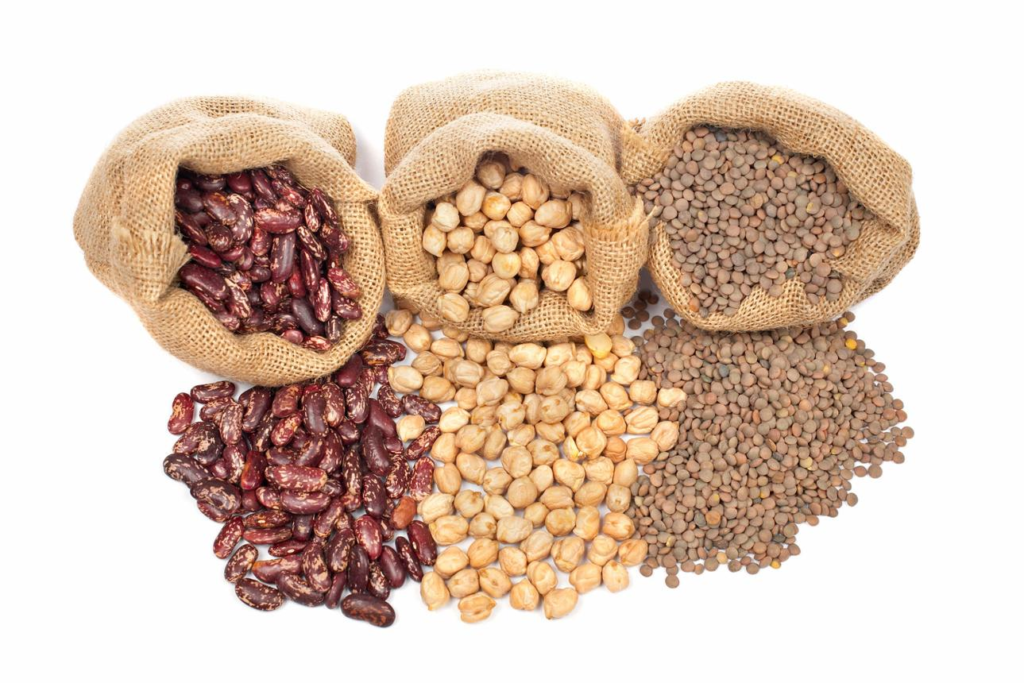
Fruits
- Apples
- Pears
- Oranges
- Berries
- Bananas
- Guava
Vegetables
- Broccoli
- Carrots
- Spinach
- Green peas
- Sweet potatoes
- Brussels sprouts
Whole Grains
- Oats
- Brown rice
- Quinoa
- Whole wheat bread
- Whole wheat pasta
Legumes
- Lentils
- Chickpeas
- Kidney beans
- Black beans
- Peas
Nuts and Seeds
- Almonds
- Pistachios
- Chia seeds
- Flaxseeds
- Sunflower seeds
Easy Ways to Increase Fiber Intake
Adding fiber to your diet doesn’t have to be difficult.
Start Your Day with Fiber
Choose:
- Oatmeal
- Whole-grain cereal
- Fruit smoothies with chia seeds
Eat More Fruits and Vegetables
Aim to fill half your plate with vegetables and fruits at every meal.
Choose Whole Grains
Replace refined grains with:
- Brown rice
- Whole wheat bread
- Whole grain pasta
Snack Smart
Choose:
- Nuts
- Fruits
- Roasted chickpeas
- Seeds
instead of processed snacks.
Add Legumes to Meals
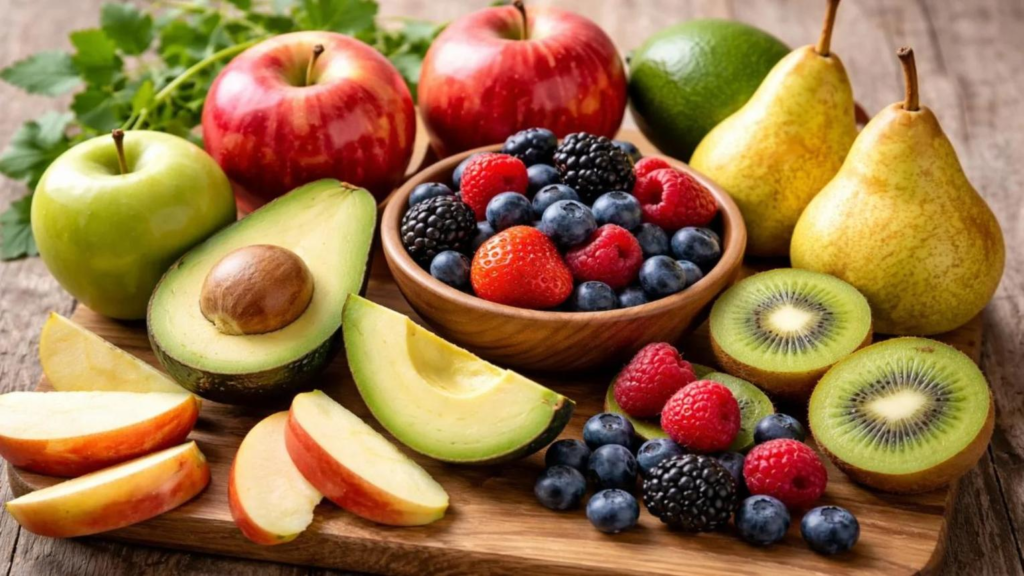
Include beans, lentils, and peas in:
- Soups
- Salads
- Curries
- Rice dishes
Important Tips When Increasing Fiber
Increasing fiber too quickly can cause:
- Gas
- Bloating
- Stomach discomfort
To Avoid These Issues
- Increase fiber gradually.
- Drink plenty of water.
- Stay physically active.
- Choose a variety of fiber sources.
Water is especially important because fiber absorbs moisture in the digestive system.
Common Myths About Fiber
Myth 1: Fiber Is Only for Digestion
Reality:
Fiber benefits heart health, blood sugar control, weight management, and immunity.
Myth 2: Supplements Are Better Than Food
Reality:
Whole foods provide vitamins, minerals, antioxidants, and other nutrients that supplements cannot fully replace.
Myth 3: Only Older Adults Need Fiber
Reality:
People of all ages need adequate fiber for optimal health.
Frequently Asked Questions
Can Fiber Help with Weight Loss?
Yes. Fiber promotes fullness, reduces hunger, and can help control calorie intake.
What Happens If You Eat Too Much Fiber?
Excessive fiber without enough water may cause bloating, gas, and digestive discomfort.
Is Fruit a Good Source of Fiber?
Absolutely. Fruits such as apples, pears, berries, and guava are excellent fiber sources.
Which Food Has the Most Fiber?
Chia seeds, lentils, beans, and certain whole grains are among the richest sources of dietary fiber.
Conclusion
Fiber is one of the most important nutrients for maintaining good health. Although often overlooked, it plays a critical role in digestion, heart health, blood sugar regulation, weight management, and disease prevention.
By consuming more fruits, vegetables, whole grains, legumes, nuts, and seeds, you can easily increase your fiber intake and enjoy its many health benefits. Small daily changes can make a significant difference in your overall well-being.
Remember, good health starts with good nutrition—and fiber is a key ingredient in building a healthier, stronger, and more energetic life.