
Have you noticed that your period seems different this month? Maybe it arrived earlier than expected, came later than usual, felt heavier, lighter, shorter, or longer. While changes in your menstrual cycle can be concerning, occasional variations are quite common and often have a simple explanation.
The menstrual cycle is influenced by many factors, including hormones, lifestyle habits, stress levels, sleep quality, diet, and overall health. Understanding these factors can help you identify what may be affecting your cycle and when it’s time to seek medical advice.
What Is Considered a Normal Period?
A normal menstrual cycle typically occurs every 21 to 35 days and lasts between 2 and 7 days. However, every woman is different. Some people naturally have shorter cycles, while others have longer ones.
Your period may vary slightly from month to month, and small changes are usually nothing to worry about.
Common Reasons Your Period Is Different This Month
1. Stress and Emotional Changes

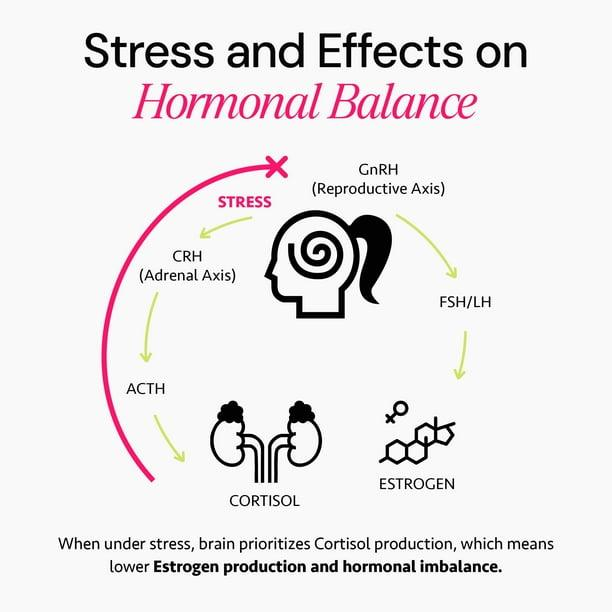
Stress is one of the most common reasons for changes in the menstrual cycle. When you’re under pressure, your body produces stress hormones such as cortisol, which can affect reproductive hormones.
Stress may cause:
- Late or missed periods
- Lighter bleeding
- Heavier bleeding
- More painful cramps
Exams, job interviews, relationship issues, financial worries, or major life changes can all impact your cycle.
2. Changes in Sleep Patterns
Poor sleep can disrupt hormone production and affect your menstrual cycle.
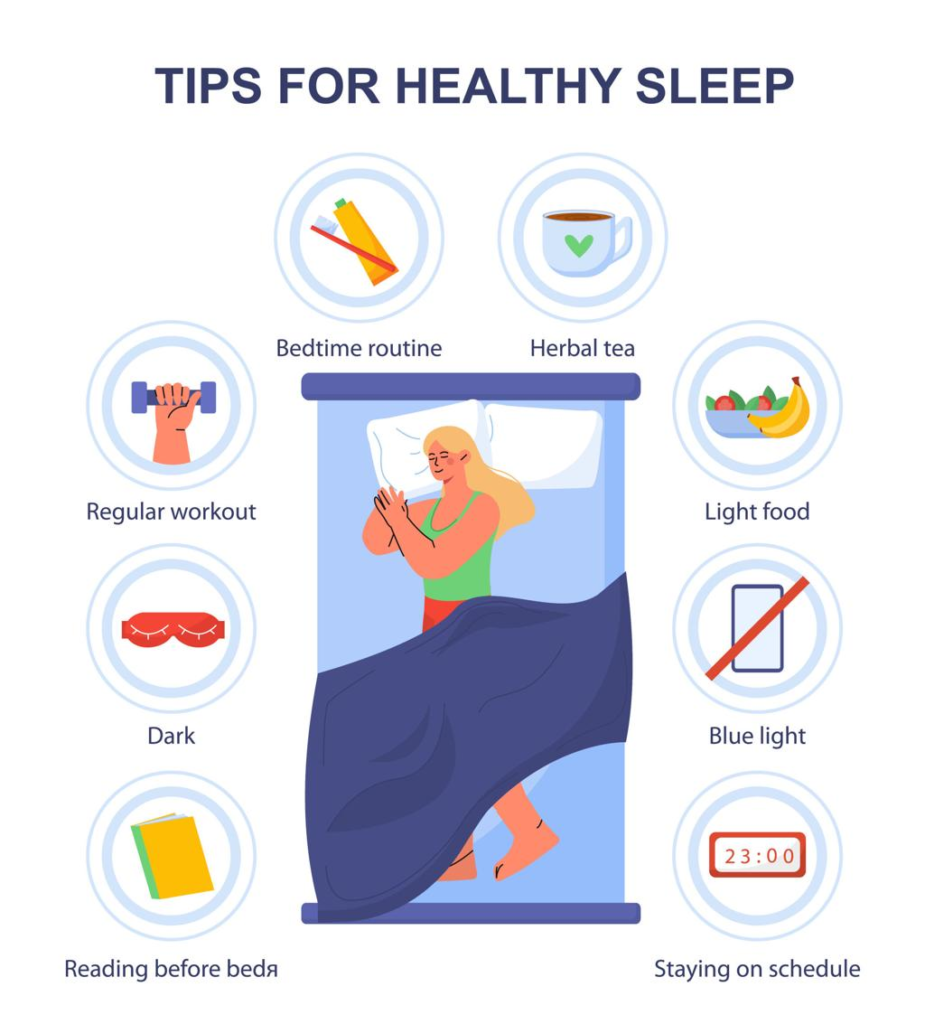
Lack of sleep may contribute to:
- Irregular periods
- Increased PMS symptoms
- Fatigue during menstruation
- Mood swings
Aim for 7–9 hours of quality sleep each night to support hormonal balance.
3. Weight Gain or Weight Loss
Significant changes in body weight can affect estrogen levels and menstrual regularity.
Weight loss may lead to:
- Missed periods
- Lighter bleeding
Weight gain may lead to:
- Heavier periods
- Longer cycles
- Increased PMS symptoms
Balanced nutrition and gradual weight management are important for reproductive health.
4. Changes in Diet
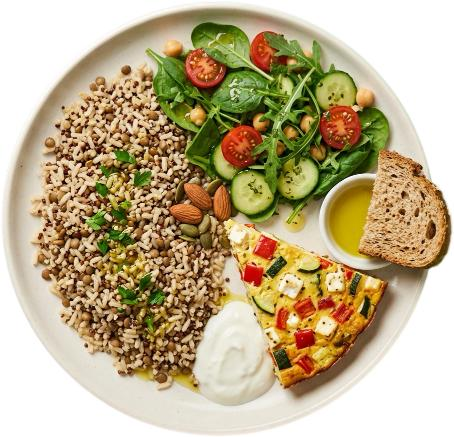
Your body needs adequate nutrients to maintain healthy hormone production.
Factors that may affect your cycle include:
- Skipping meals
- Extreme dieting
- Low iron intake
- Poor nutrition
- Sudden dietary changes
Eating a balanced diet rich in fruits, vegetables, whole grains, healthy fats, and protein can support menstrual health.
5. Increased Exercise
Starting a new workout routine or increasing exercise intensity can sometimes affect your period.
Very intense physical activity may lead to:
- Delayed periods
- Lighter periods
- Missed periods
Moderate exercise is beneficial, but excessive exercise can sometimes disrupt hormonal balance.
6. Travel and Schedule Changes
Traveling, especially across time zones, can temporarily affect hormone regulation.
Other routine disruptions may include:
- Night shifts
- Irregular work schedules
- Frequent travel
- Major lifestyle changes
These changes often resolve once your routine stabilizes.
7. Puberty and Early Reproductive Years
Teenagers often experience irregular periods during the first few years after menstruation begins.
Hormones are still developing, which can lead to:
- Irregular cycles
- Missed periods
- Variable flow patterns
This is usually a normal part of development.
8. Perimenopause
Women approaching menopause may notice changes in their menstrual cycles.
Common signs include:
- Irregular periods
- Heavier or lighter bleeding
- Hot flashes
- Mood changes
- Sleep disturbances
Perimenopause often begins several years before menopause.
9. Hormonal Conditions
Certain health conditions can affect menstrual regularity.
Examples include:
Polycystic Ovary Syndrome (PCOS)
PCOS can cause:
- Irregular periods
- Acne
- Weight gain
- Excess facial hair
Thyroid Disorders
Both underactive and overactive thyroid conditions may affect:
- Period timing
- Flow intensity
- Energy levels
10. Pregnancy
A missed period can sometimes be one of the earliest signs of pregnancy.
Other early symptoms may include:
- Nausea
- Breast tenderness
- Fatigue
- Frequent urination
If pregnancy is possible, consider taking a pregnancy test.
11. Illness or Recovery
Your body prioritizes healing during illness, which can temporarily affect reproductive hormones.
Examples include:
- Fever
- Viral infections
- Surgery recovery
- Chronic illnesses
Menstrual cycles often return to normal after recovery.
12. Certain Medications
Some medications may affect menstrual cycles, including:
- Hormonal birth control
- Antidepressants
- Steroids
- Certain thyroid medications
If you suspect medication is affecting your period, discuss it with your healthcare provider.
When Should You See a Doctor?
Occasional changes are usually normal, but medical evaluation may be helpful if you experience:
- Periods stopping for more than three months
- Extremely heavy bleeding
- Severe pain
- Bleeding between periods
- Very irregular cycles
- Symptoms of anemia such as dizziness or unusual fatigue
A healthcare professional can help determine whether an underlying condition is contributing to the changes.
Tips for Supporting a Healthy Menstrual Cycle
- Manage stress through relaxation techniques.
- Get enough sleep every night.
- Eat balanced, nutrient-rich meals.
- Stay physically active.
- Drink enough water.
- Avoid extreme dieting.
- Track your menstrual cycle regularly.
Using a period-tracking app can help you identify patterns and recognize changes more easily.
Final Thoughts
A period that feels different this month doesn’t automatically mean something is wrong. Stress, sleep changes, travel, diet, exercise, hormonal fluctuations, and many other factors can temporarily affect your menstrual cycle.
Pay attention to patterns rather than a single unusual month. If changes persist or are accompanied by severe symptoms, consulting a healthcare professional is the best way to understand what’s happening and ensure your reproductive health stays on track.
Your menstrual cycle is an important indicator of overall health, and listening to your body can provide valuable insights into your well-being.