Have you ever noticed that your skin suddenly breaks out, your hair feels different, or your mood seems to change without an obvious reason? Hormones may be playing a bigger role than you realize.
Hormones are chemical messengers that help regulate many important functions in the body, including metabolism, reproduction, sleep, mood, skin health, and hair growth. Even small hormonal fluctuations can have noticeable effects on how you look and feel.
Understanding the connection between hormones, skin, hair, and emotions can help you better manage these changes and support your overall well-being.
What Are Hormones?
Hormones are substances produced by glands in the endocrine system. They travel through the bloodstream and send signals to different parts of the body.
Some of the key hormones that affect women include:
- Estrogen
- Progesterone
- Testosterone
- Cortisol (stress hormone)
- Thyroid hormones
- Insulin
Changes in these hormones can occur during puberty, menstruation, pregnancy, postpartum recovery, perimenopause, menopause, and times of stress.
How Hormonal Changes Affect Your Skin
1. Acne and Breakouts
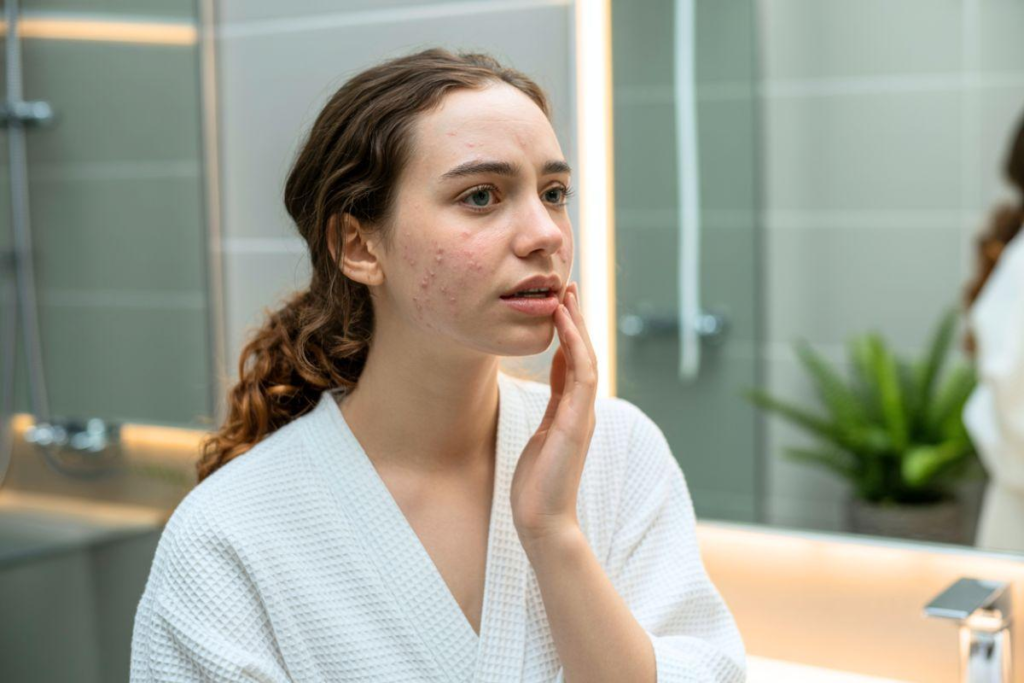
Hormonal fluctuations are one of the most common causes of acne in women.
Increased androgen hormones can:
- Stimulate oil production
- Clog pores
- Trigger inflammation
- Lead to breakouts
Hormonal acne often appears on:
- Chin
- Jawline
- Neck
- Lower cheeks
Many women notice acne flare-ups before their period due to changes in estrogen and progesterone levels.
2. Dry or Sensitive Skin
Lower estrogen levels can reduce the skin’s ability to retain moisture.
This may cause:
- Dryness
- Irritation
- Sensitivity
- Flakiness
These changes are particularly common during perimenopause and menopause.
3. Changes in Skin Elasticity
Estrogen supports collagen production, which helps keep skin firm and youthful.
When estrogen declines, women may notice:
- Fine lines
- Wrinkles
- Reduced skin firmness
- Slower healing
4. Increased Oiliness
Hormonal fluctuations can sometimes increase sebum production.
This may result in:
- Oily skin
- Enlarged pores
- Frequent breakouts
How Hormonal Changes Affect Your Hair
1. Hair Thinning
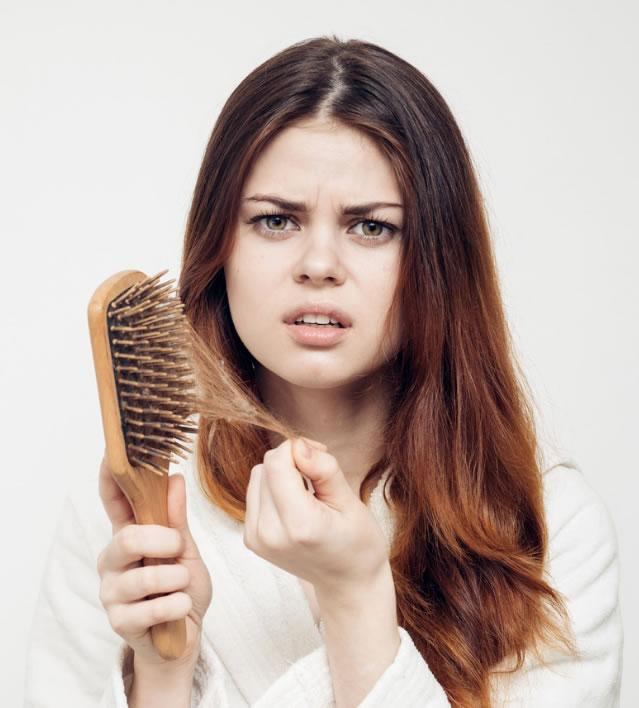
Hormonal imbalances can affect the hair growth cycle.
Common causes include:
- Postpartum hormone changes
- Thyroid disorders
- PCOS
- Menopause
You may notice:
- Increased shedding
- Reduced hair volume
- Thinner ponytails
2. Excess Hair Growth
Higher androgen levels can sometimes cause excessive hair growth on the:
- Face
- Chin
- Upper lip
- Chest
This is commonly associated with conditions such as PCOS.
3. Dry and Brittle Hair
Changes in estrogen levels can affect scalp moisture and hair texture.
Symptoms may include:
- Dry hair
- Frizz
- Breakage
- Loss of shine
4. Changes in Hair Texture
Some women notice that their hair becomes:
- Curly instead of straight
- Straighter than before
- Coarser
- More difficult to manage
Hormonal shifts can influence hair structure over time.
How Hormonal Changes Affect Your Mood
1. Mood Swings
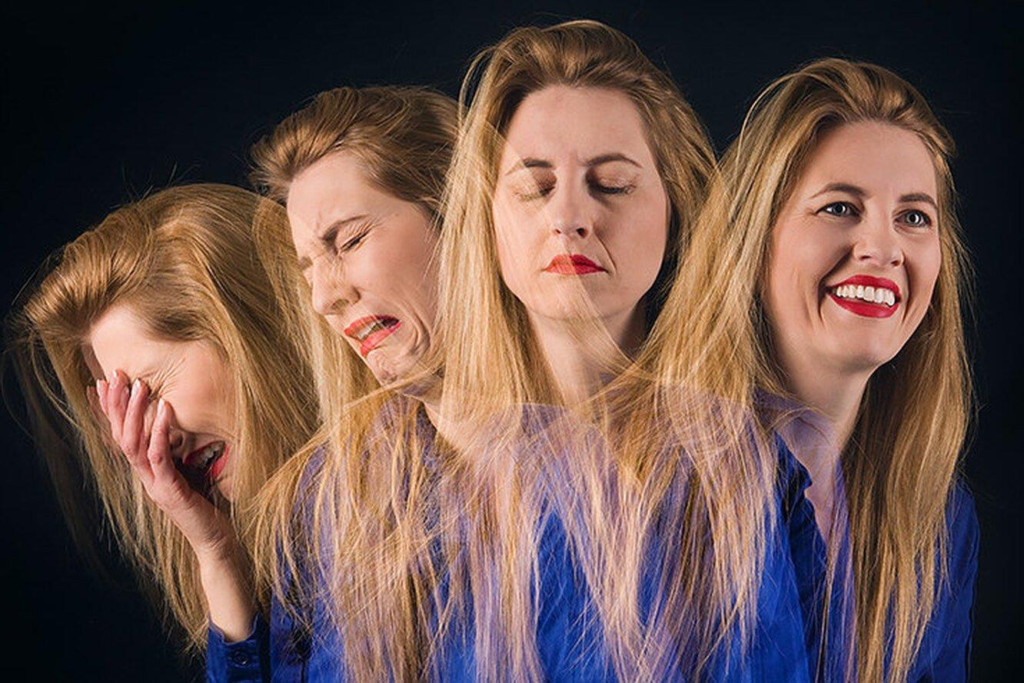
Hormones influence neurotransmitters such as serotonin, which affects mood.
Fluctuations may contribute to:
- Irritability
- Emotional sensitivity
- Sudden mood changes
These symptoms are commonly experienced before menstruation.
2. Anxiety
Changes in estrogen and progesterone can affect emotional regulation.
Some women experience:
- Increased worry
- Nervousness
- Restlessness
- Difficulty concentrating
3. Low Mood
Hormonal changes may sometimes contribute to feelings of sadness or reduced motivation.
You may notice:
- Fatigue
- Lack of interest
- Emotional ups and downs
- Reduced energy
4. Sleep Problems
Hormonal fluctuations can affect sleep quality.
Poor sleep may then worsen:
- Mood changes
- Stress
- Skin issues
- Hair health
Life Stages When Hormonal Changes Are Common
Puberty
- Acne develops
- Hair changes begin
- Emotional fluctuations increase
Menstrual Cycle
- PMS symptoms
- Breakouts
- Mood changes
- Temporary bloating
Pregnancy
- Hair may appear thicker
- Skin changes occur
- Emotional sensitivity increases
Postpartum
- Hair shedding often increases
- Mood changes are common
- Hormone levels rapidly adjust
Perimenopause and Menopause
- Dry skin
- Hair thinning
- Hot flashes
- Mood changes
Tips for Supporting Hormonal Health
Eat a Balanced Diet
Focus on:
- Fruits and vegetables
- Whole grains
- Healthy fats
- Protein-rich foods
- Iron-rich foods
Manage Stress
Stress can increase cortisol levels.
Helpful stress-management practices include:
- Meditation
- Deep breathing
- Journaling
- Walking outdoors
- Yoga
Prioritize Sleep
Aim for 7–9 hours of quality sleep each night.
Stay Active
Regular physical activity can help:
- Improve mood
- Support hormone balance
- Reduce stress
Stay Hydrated
Proper hydration supports:
- Skin health
- Energy levels
- Overall wellness
When to Consult a Healthcare Professional
Consider seeking medical advice if you experience:
- Severe acne
- Significant hair loss
- Irregular periods
- Persistent mood changes
- Unusual facial hair growth
- Symptoms that interfere with daily life
A healthcare professional can help identify whether a hormonal imbalance or underlying condition may be contributing to your symptoms.
Final Thoughts
Hormonal changes are a natural part of life, but they can have a noticeable impact on your skin, hair, and mood. Understanding these connections can help you recognize what’s happening in your body and take steps to support your overall well-being.
While occasional changes are normal, persistent or severe symptoms shouldn’t be ignored. Paying attention to your body, maintaining healthy lifestyle habits, and seeking professional guidance when needed can help you feel your best through every stage of life.