Introduction
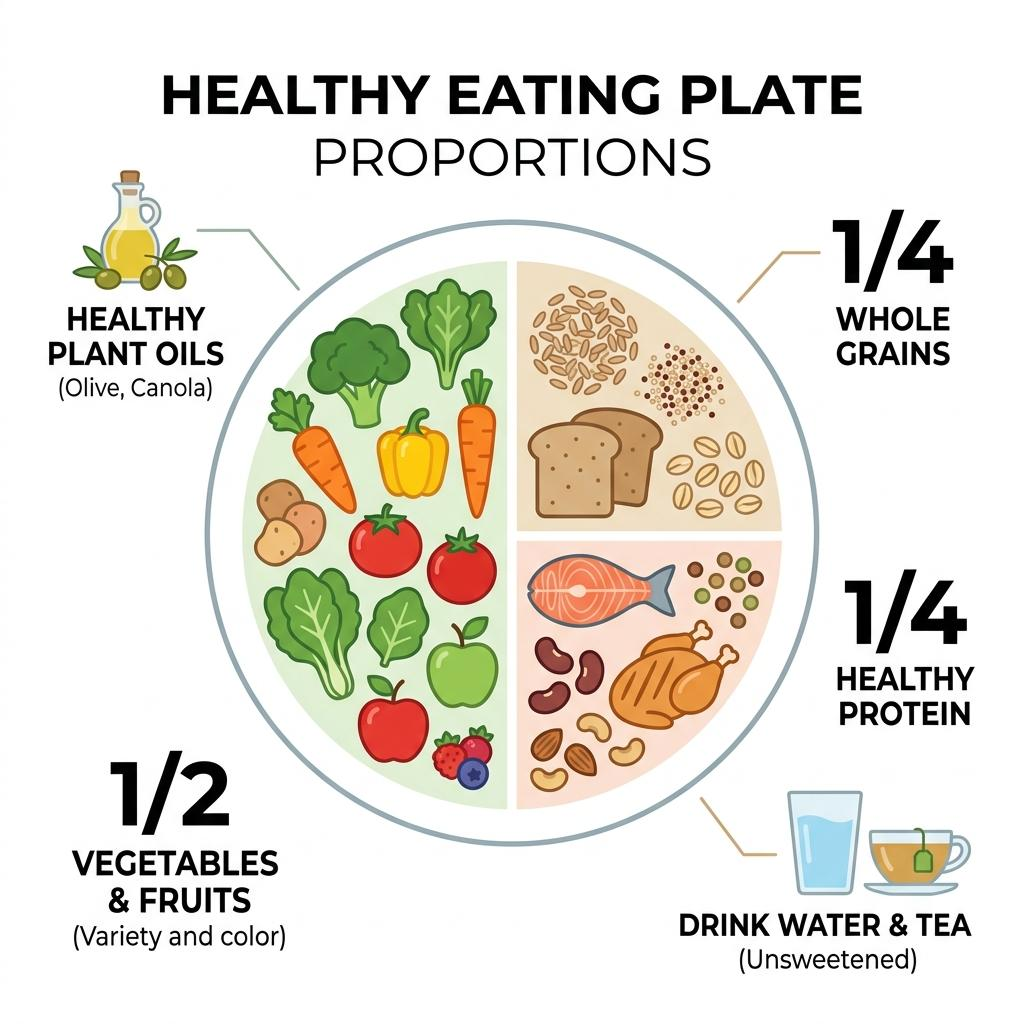
In today’s fast-paced world, maintaining good health has become more important than ever. While regular exercise, adequate sleep, and stress management all contribute to overall well-being, one factor forms the foundation of a healthy life: balanced nutrition.
Balanced nutrition means consuming the right combination of nutrients that your body needs to function properly. Every cell, tissue, and organ in your body relies on nutrients from food to perform essential functions. When you consistently provide your body with the right balance of carbohydrates, proteins, fats, vitamins, minerals, fiber, and water, you support optimal physical, mental, and emotional health.
Unfortunately, many people consume diets high in processed foods, added sugars, and unhealthy fats while lacking essential nutrients. Over time, poor nutrition can lead to fatigue, weakened immunity, weight gain, chronic diseases, and reduced quality of life.
This comprehensive guide explores how balanced nutrition supports overall health, the key nutrients your body needs, and practical tips for creating a healthier eating pattern.
What Is Balanced Nutrition?
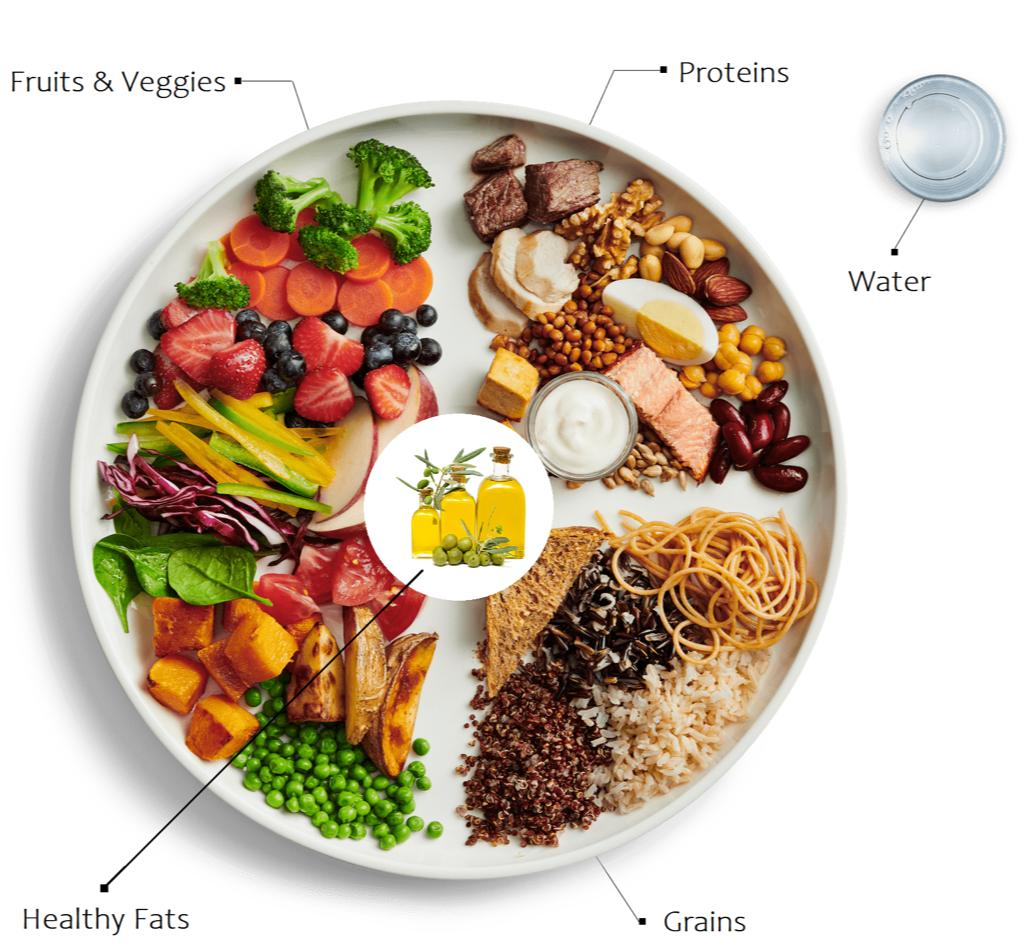
Balanced nutrition refers to eating a variety of foods in appropriate proportions to provide all the nutrients your body requires for growth, energy, repair, and disease prevention.
A balanced diet typically includes:
- Fruits and vegetables
- Whole grains
- Lean proteins
- Healthy fats
- Dairy or dairy alternatives
- Adequate water intake
The goal is not to eliminate any food group but to ensure your body receives a healthy balance of essential nutrients.
Why Balanced Nutrition Matters
Food is more than just fuel. It provides the nutrients necessary for every function in the body.
Balanced nutrition helps:
- Maintain healthy body weight
- Improve energy levels
- Strengthen immunity
- Support brain function
- Enhance digestion
- Promote heart health
- Build strong bones and muscles
- Reduce disease risk
Without proper nutrition, the body cannot perform efficiently, increasing the likelihood of health problems over time.
Essential Nutrients Your Body Needs
1. Carbohydrates: The Body’s Main Energy Source

Carbohydrates provide the energy needed for daily activities and bodily functions.
Healthy Sources of Carbohydrates
- Whole grains
- Brown rice
- Oats
- Fruits
- Vegetables
- Legumes
Benefits
- Provides energy
- Supports brain function
- Fuels physical activity
- Helps maintain metabolism
Choose complex carbohydrates over refined carbohydrates for sustained energy and better health.
2. Protein: Building and Repairing the Body

Protein is essential for growth, tissue repair, and muscle maintenance.
Healthy Protein Sources
- Eggs
- Fish
- Chicken
- Lentils
- Beans
- Tofu
- Dairy products
- Nuts and seeds
Benefits
- Builds muscles
- Repairs tissues
- Supports immune function
- Produces hormones and enzymes
Adequate protein intake is especially important for children, athletes, and older adults.
3. Healthy Fats: Essential for Overall Wellness

Many people mistakenly believe all fats are unhealthy. In reality, healthy fats are necessary for various bodily functions.
Sources of Healthy Fats
- Avocados
- Nuts
- Seeds
- Olive oil
- Fatty fish
- Peanut butter
Benefits
- Supports brain health
- Protects organs
- Helps absorb vitamins
- Maintains hormone balance
Focus on unsaturated fats while limiting trans fats and excessive saturated fats.
4. Vitamins and Minerals
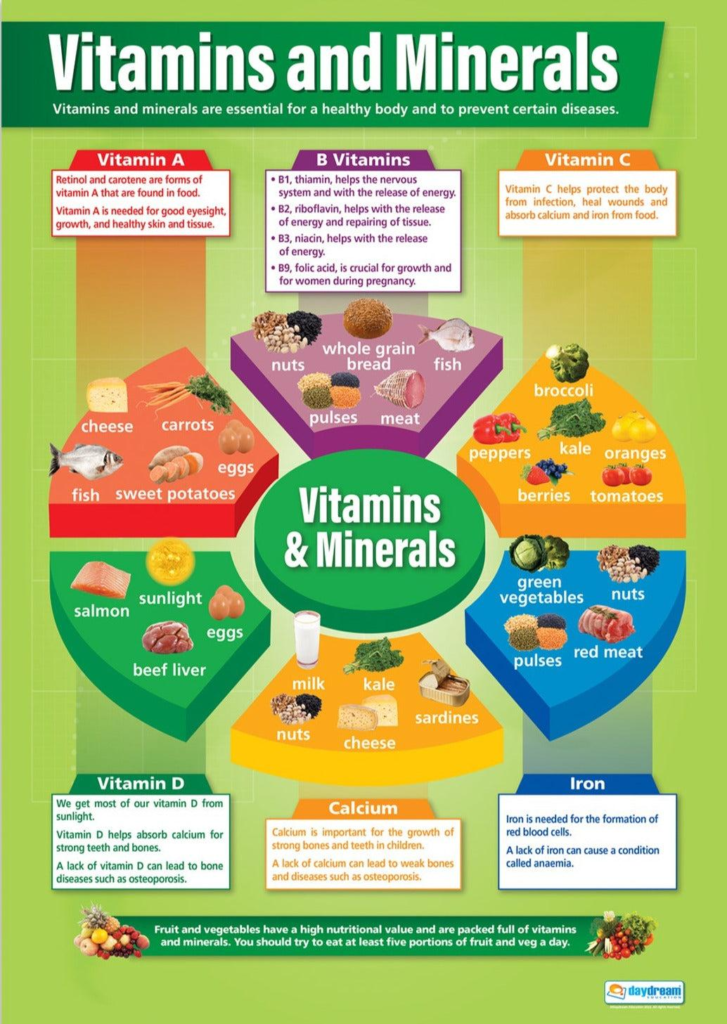
Micronutrients may be needed in small amounts, but they play vital roles in maintaining health.
Important Vitamins
Vitamin A
Supports vision and immune health.
Sources:
- Carrots
- Sweet potatoes
- Spinach
Vitamin C
Boosts immunity and supports skin health.
Sources:
- Oranges
- Lemons
- Strawberries
- Bell peppers
Vitamin D
Essential for bone health.
Sources:
- Sunlight
- Fatty fish
- Fortified foods
Important Minerals
Calcium
Supports strong bones and teeth.
Sources:
- Milk
- Yogurt
- Cheese
- Leafy greens
Iron
Helps transport oxygen throughout the body.
Sources:
- Spinach
- Lentils
- Beans
- Lean meats
Magnesium
Supports muscle and nerve function.
Sources:
- Nuts
- Seeds
- Whole grains
5. Fiber
Fiber is crucial for digestive health and overall wellness.
Benefits of Fiber
- Prevents constipation
- Supports gut health
- Promotes fullness
- Helps regulate blood sugar
- Lowers cholesterol levels
Fiber-Rich Foods
- Fruits
- Vegetables
- Whole grains
- Legumes
- Seeds
Adults should aim for adequate daily fiber intake to support optimal health.
6. Water
Water is often overlooked but is one of the most important nutrients.
Benefits
- Regulates body temperature
- Transports nutrients
- Supports digestion
- Removes waste
- Maintains hydration
Most adults should drink sufficient water daily, depending on activity level and climate.
How Balanced Nutrition Supports Physical Health
1. Boosts Energy Levels
The body converts nutrients from food into energy.
A balanced diet helps:
- Reduce fatigue
- Improve stamina
- Enhance productivity
- Support daily activities
Skipping meals or relying on processed foods often leads to energy crashes and poor performance.
2. Strengthens the Immune System
Your immune system depends on proper nutrition to function effectively.
Key nutrients supporting immunity include:
- Vitamin C
- Vitamin D
- Zinc
- Protein
- Antioxidants
A nutrient-rich diet helps the body fight infections and recover more efficiently.
3. Promotes Healthy Weight Management
Balanced nutrition supports healthy body weight by providing the right amount of calories and nutrients.
Healthy eating habits help:
- Control appetite
- Reduce overeating
- Improve metabolism
- Support fat loss when needed
Weight management becomes easier when meals are nutrient-dense and balanced.
4. Supports Heart Health
Heart disease remains a leading health concern worldwide.
Balanced nutrition helps by:
- Lowering bad cholesterol
- Reducing blood pressure
- Controlling inflammation
- Supporting healthy circulation
Heart-healthy foods include:
- Fruits
- Vegetables
- Whole grains
- Nuts
- Fish
5. Builds Strong Bones and Muscles
Bones and muscles require specific nutrients to remain healthy.
Important nutrients include:
- Calcium
- Vitamin D
- Protein
- Magnesium
- Phosphorus
Proper nutrition reduces the risk of fractures, muscle weakness, and age-related bone loss.
How Balanced Nutrition Supports Mental Health
Nutrition affects more than physical health—it also influences mental and emotional well-being.
Improves Brain Function
The brain requires a constant supply of nutrients to function effectively.
Healthy eating supports:
- Memory
- Concentration
- Learning ability
- Cognitive performance
Supports Emotional Well-Being
Research suggests a connection between diet and mood.
Nutrient-rich foods may help:
- Reduce stress
- Improve mood
- Support emotional balance
- Enhance mental resilience
Poor dietary habits are often associated with increased fatigue and emotional distress.
Enhances Sleep Quality
Balanced nutrition contributes to better sleep patterns.
Foods rich in:
- Magnesium
- Tryptophan
- Calcium
may support relaxation and healthy sleep cycles.
Balanced Nutrition and Disease Prevention
One of the greatest benefits of balanced nutrition is its role in preventing chronic diseases.
Reduces Risk of Type 2 Diabetes
Healthy eating helps regulate blood sugar levels and improve insulin sensitivity.
Lowers Risk of Heart Disease
A balanced diet can reduce cholesterol levels and support cardiovascular health.
Helps Prevent Obesity
Nutrient-dense foods support satiety and healthy weight control.
Supports Cancer Prevention
Fruits and vegetables provide antioxidants that help protect cells from damage.
Promotes Healthy Aging
Proper nutrition helps maintain strength, mobility, and cognitive function as we age.
Signs of Poor Nutrition
Your body often provides clues when nutritional needs are not being met.
Common signs include:
- Constant fatigue
- Frequent illness
- Hair loss
- Dry skin
- Poor concentration
- Mood swings
- Digestive problems
- Unexplained weight changes
Addressing nutritional deficiencies early can improve overall health and well-being.
How to Build a Balanced Plate
A simple approach to balanced nutrition is using the healthy plate method.
Fill Half Your Plate With
- Vegetables
- Fruits
Fill One-Quarter With
- Lean protein
Fill One-Quarter With
- Whole grains
Add
- Healthy fats
- Water or healthy beverages
This method helps ensure meals are balanced and nutrient-rich.
Practical Tips for Maintaining Balanced Nutrition
1. Eat More Whole Foods
Choose foods in their natural form whenever possible.
Examples:
- Fresh fruits
- Vegetables
- Whole grains
- Legumes
2. Limit Processed Foods
Reduce intake of:
- Sugary drinks
- Packaged snacks
- Fast food
- Refined carbohydrates
3. Practice Portion Control
Eating appropriate portions helps maintain a healthy weight and prevents overeating.
4. Plan Meals Ahead
Meal planning encourages healthier choices and reduces reliance on convenience foods.
5. Stay Hydrated
Carry a water bottle and drink water consistently throughout the day.
6. Include Variety
Different foods provide different nutrients.
Aim to eat a colorful variety of fruits and vegetables daily.
Common Myths About Balanced Nutrition
Myth 1: Healthy Eating Is Expensive
Reality:
Many affordable foods such as beans, lentils, oats, fruits, and vegetables provide excellent nutrition.
Myth 2: Carbohydrates Are Bad
Reality:
Whole-food carbohydrates are an important energy source and part of a balanced diet.
Myth 3: Skipping Meals Helps Weight Loss
Reality:
Skipping meals often leads to overeating later and may slow metabolism.
Myth 4: All Fats Are Unhealthy
Reality:
Healthy fats are essential for brain function, hormone production, and overall health.
Frequently Asked Questions
What Is the Importance of Balanced Nutrition?
Balanced nutrition provides the nutrients needed for energy, growth, immunity, and disease prevention.
Can Balanced Nutrition Improve Mental Health?
Yes. Proper nutrition supports brain function, mood regulation, and emotional well-being.
How Can I Start Eating a Balanced Diet?
Focus on whole foods, include all food groups, stay hydrated, and limit highly processed foods.
Why Is Variety Important in Nutrition?
Different foods contain different nutrients, making variety essential for complete nutrition.
Conclusion
Balanced nutrition is one of the most powerful tools for achieving and maintaining good health. By providing the body with the right combination of carbohydrates, proteins, healthy fats, vitamins, minerals, fiber, and water, you support every system in the body—from the brain and heart to the immune and digestive systems.
A balanced diet boosts energy, strengthens immunity, promotes healthy weight management, supports mental well-being, and reduces the risk of chronic diseases. Small, consistent dietary improvements can lead to significant long-term health benefits.
Remember, healthy eating isn’t about perfection. It’s about making informed choices, creating sustainable habits, and nourishing your body with the nutrients it needs to thrive every day.
Investing in balanced nutrition today is an investment in a healthier, happier future.